Wondering how to prepare an Ashbury Heights view home without over-improving it or slowing your timeline? In a neighborhood where outlook, light, and architectural character all shape buyer interest, smart preparation matters as much as the home itself. With the right plan, you can protect the view premium, avoid avoidable permit issues, and launch with a polished presentation that resonates with discerning buyers. Let’s dive in.
Why view presentation matters
Ashbury Heights sits in a part of San Francisco where views are not just a nice extra. San Francisco’s Urban Design Element says the city’s image and character depend heavily on views, topography, streets, building form, and landscaping, and that views along streets should be protected. Buena Vista Park, just nearby, is also defined by the spectacular views from its upper slopes.
For sellers, that means your home’s sightlines, natural light, and relationship to the city should be treated as part of the product. A strong presentation strategy helps buyers experience that value right away, both online and in person. In many cases, the goal is not to add more visual interest. It is to let the existing view do its work.
Protect the view corridor first
When you prepare a view home, start with what buyers notice fastest. In Ashbury Heights, that usually means the view corridor first, natural light second, and curb appeal third. If those three elements feel clear and intentional, the home often reads as more elevated from the first photo onward.
That affects practical choices throughout the house. Lower-profile furniture, lighter window treatments, and a restrained layout can help preserve sightlines instead of interrupting them. If a room frames the skyline, treetops, or surrounding hills, your staging should support that moment rather than compete with it.
Focus on high-impact cosmetic work
If you are deciding where to spend time and budget, the strongest first moves are often the simplest ones. According to the 2025 Profile of Home Staging, 91% of sellers’ agents recommended decluttering, 88% recommended cleaning the entire home, and 77% recommended improving curb appeal.
Those recommendations line up well with how buyers shop today. They see photos first, then decide whether a home feels worth prioritizing. A clean, edited, well-maintained property usually creates a stronger first impression than a larger project that is still unfinished when the listing goes live.
Best early prep tasks
- Declutter each room so scale and light read clearly
- Deep clean the entire home
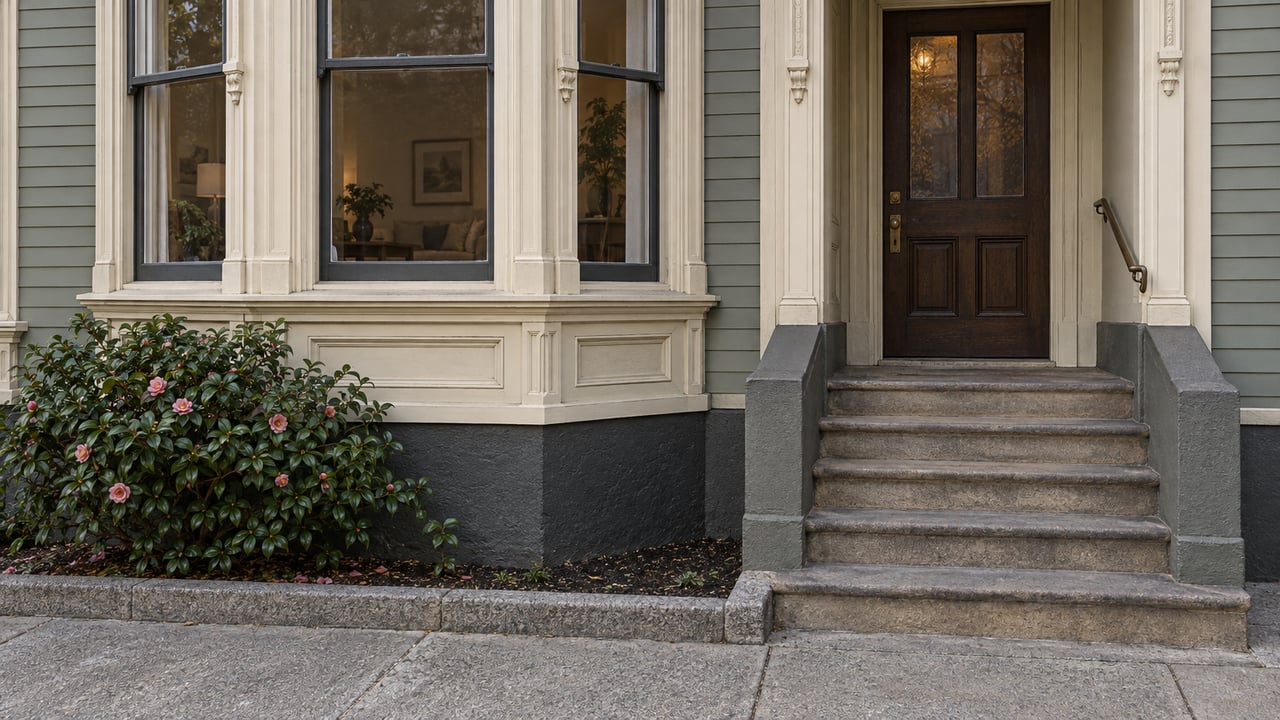
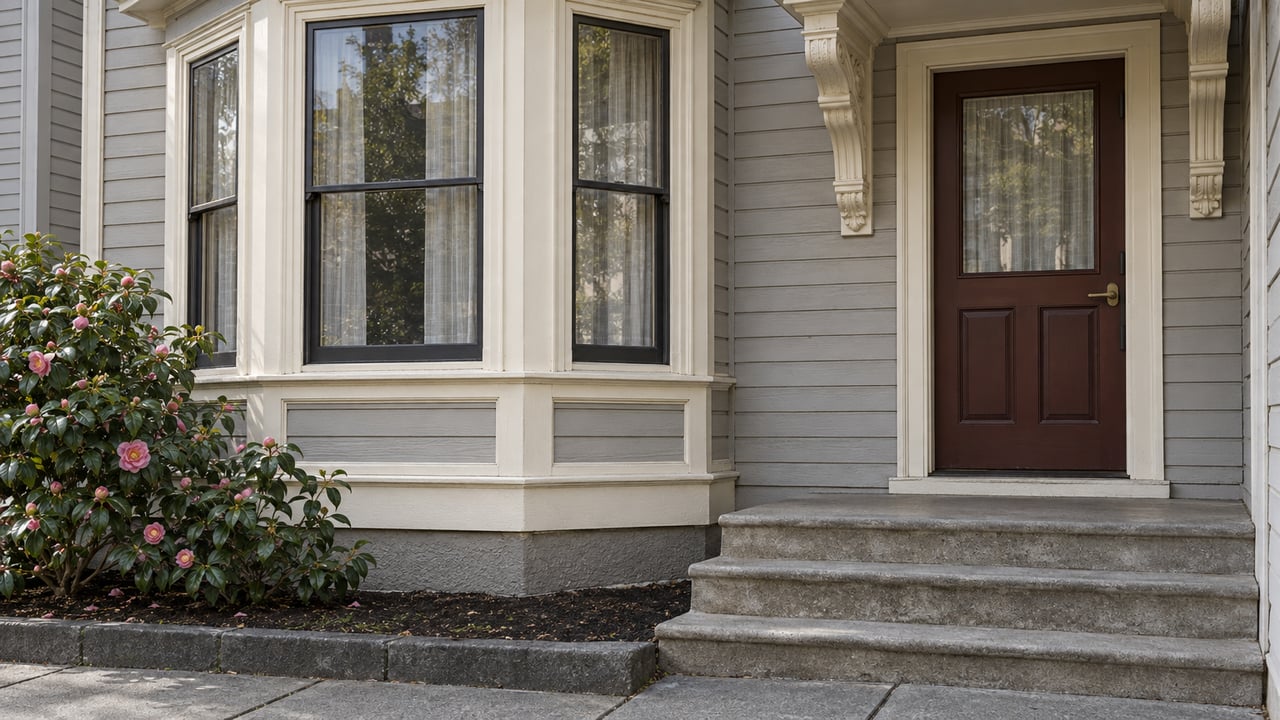
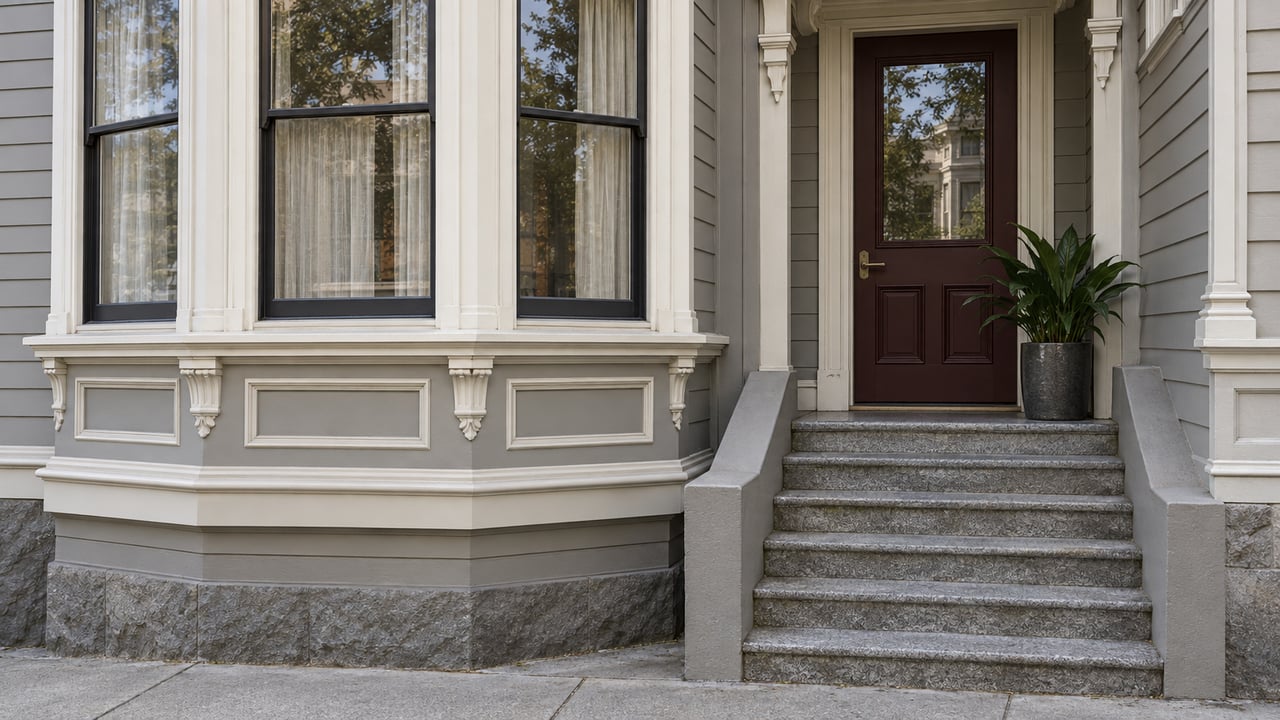
- Refresh curb appeal and entry presentation
- Address visible wear such as scuffed paint or tired flooring
- Tune up exterior details that affect first impressions
- Stage key rooms with the view in mind
For many sellers, this is where a coordinated vendor plan can help. Mollie Poe + Declan Hickey can organize presentation work through a trusted vendor network, and Compass Concierge can support eligible home-improvement services with zero due until closing, subject to program terms.
Be careful with renovations and permits
In San Francisco, last-minute improvement ideas can create avoidable delays if they require review. San Francisco Planning says homeowners planning to build, demolish, renovate, or expand a home need Planning approval first and then a building permit. Exterior changes such as additions, dormers, decks, stairs, garages, or facade changes are reviewed for design compliance.
That matters if you are tempted to take on a larger pre-listing project. A clean exterior, completed repairs, and an orderly presentation are often more useful to your sale than a project that triggers review and pushes back your launch. If your goal is a fast, polished listing, low-friction improvements usually offer a better return on effort.
Window updates need extra attention
Window work deserves special caution in San Francisco. SF Planning says every window replacement requires a building permit, and replacement windows visible from the street or other public right-of-way receive additional Planning review.
The city also advises owners to check the SF Property Information Map before moving forward. If the property is Category A*, the usual over-the-counter path is not available. If the property is an Article 10 landmark or in an Article 10 historic district, exterior alterations generally require a Certificate of Appropriateness or Administrative Certificate of Appropriateness before the building permit can proceed.
The practical takeaway is simple: do not order replacement windows before confirming what approvals apply. For a view home, preserving light is important, but so is protecting your listing timeline.
Check historic status before exterior changes
Many San Francisco homes have architectural details that buyers value, and some properties have added review requirements. If your home may be historic, use the SF Property Information Map to check whether it is Category A, A*, B, or C before choosing exterior finishes or replacement materials.
SF Planning’s historic review guidance says Article 10 landmarks and buildings within Article 10 historic districts require a Certificate of Appropriateness or Administrative Certificate of Appropriateness for exterior alterations, while ordinary maintenance and in-kind repairs generally do not. Planning also notes that it does not regulate exterior paint color in most cases, with limited exceptions for certain unpainted masonry buildings in Article 10 districts.
Build timing into your prep plan
Even a straightforward project can affect your listing calendar. When a building permit is submitted, Planning is the first reviewing agency, and for many projects it mails notice to nearby owners and residents within 150 feet for a 30-day public review period. Some exterior features, including new decks or stairs, may also trigger notification.
This is one reason strategic sellers often prefer a coordinated launch plan over a reactive one. If you are considering any exterior scope, it helps to evaluate that early so your marketing timeline stays realistic.
Prepare disclosures before you list
A polished home should also be a well-prepared transaction. California Civil Code Section 1102.3 requires a seller of single-family residential property to deliver the completed written transfer disclosure statement before transfer of title. The law also gives buyers a short termination window if a required disclosure or material amendment is delivered after an offer is executed.
California Civil Code Section 2079 adds another layer. It requires the buyer-side broker or salesperson to conduct a reasonably competent and diligent visual inspection and disclose facts materially affecting value or desirability that the investigation would reveal. In plain terms, hoping a buyer will miss a known issue is not a sound strategy.
Hazard and lead disclosures
Natural Hazard Disclosure requirements may also apply. California Civil Code Section 1103 covers mapped hazard conditions such as special flood hazard areas, areas of potential flooding, very high fire hazard severity zones, earthquake fault zones, seismic hazard zones, and state responsibility or wildland fire areas when the statutory conditions are met.
If the home was built before 1978, lead-based paint rules are separate and important. Sellers must disclose known information about lead-based paint and related hazards before sale, provide the required pamphlet, and allow buyers a 10-day period to conduct a paint inspection or risk assessment.
If the property is a multi-unit building, there may be additional local items to review. San Francisco’s Mandatory Soft Story Retrofit Program applies to certain wood-frame buildings with five or more residential units, two or more stories over a soft or weak story, and original permits before January 1, 1978.
Stage the rooms that sell the lifestyle
Not every room needs the same level of attention. For a view property, the priority is usually the living room, dining area, kitchen, and primary suite, especially if they frame the outlook or capture strong natural light. These also align with the rooms most commonly staged, according to the 2025 NAR staging report.
The most effective staging is often the most restrained. You want buyers to notice the room, the finish quality, and the view in one glance. Clean lines, lighter palettes, and smaller-scale furnishings can help the space feel open while keeping the horizon visible.
What discerning buyers notice
- Whether the view is visible from the main living areas
- How natural light moves through the home
- Whether furnishings feel scaled to the room
- If windows feel open and unobstructed
- Whether finishes look cohesive in person and in photos
- How the home feels at different times of day
Use photography as a core strategy
For view homes, photography is not a final checkbox. It is central to how the property is positioned. The 2025 NAR staging report found that buyers’ agents identified photos as highly important at 73%, followed by videos at 48% and virtual tours at 43%.
That makes a photography-first launch especially important in Ashbury Heights. Buyers should be able to understand the home’s layout, finish quality, and outlook before they ever step inside. The strongest visuals usually capture both the interior and the view in the same frame, so the home feels connected to its setting.
Why twilight can work well
Twilight photography and twilight showings can be especially effective for San Francisco view homes. As city lights begin to appear, the view becomes part of the home’s atmosphere rather than a distant backdrop. For the right property, that can create a more memorable emotional impression.
Launch as a coordinated campaign
The best results usually come from preparation and marketing working together. Instead of treating repairs, staging, photography, and listing strategy as separate tasks, it helps to manage them as one launch plan. That creates a cleaner path from project completion to market debut.
This is where a high-touch team structure can make a real difference. Mollie Poe + Declan Hickey combine neighborhood knowledge, curated vendors, Compass Concierge, and launch tools such as Private Exclusives and Coming Soon marketing to help sellers build momentum with discretion and precision.
A discerning buyer will notice details. So will the market. When your view, light, condition, and disclosures are all aligned, your home is better positioned to attract strong attention and a smoother sale. If you are preparing an Ashbury Heights property and want a calm, strategic plan from day one, Mollie Poe + Declan Hickey can help you map the work, timing, and launch with confidence.
FAQs
What should I prioritize first when preparing an Ashbury Heights view home?
- Start with the view corridor, natural light, and curb appeal, then focus on decluttering, cleaning, and visible cosmetic improvements.
Do window replacements in San Francisco require permits?
- Yes. SF Planning says every window replacement requires a building permit, and street-visible replacements receive additional Planning review.
Should I renovate before listing an Ashbury Heights home?
- Not always. A clean, fully finished home with strong presentation is often more effective than a larger project that delays your listing.
What disclosures apply when selling a San Francisco single-family home?
- Depending on the property, sellers may need a Transfer Disclosure Statement, Natural Hazard Disclosure, lead-based paint disclosure for pre-1978 homes, and other property-specific disclosures.
Which rooms should I stage in a San Francisco view home?
- Focus first on the living room, dining area, kitchen, and primary suite, especially if those rooms frame the view or receive the best light.
Why is twilight marketing useful for an Ashbury Heights view property?
- Twilight photography and showings can highlight skyline and city-light views, helping the home feel more memorable and atmospheric to buyers.