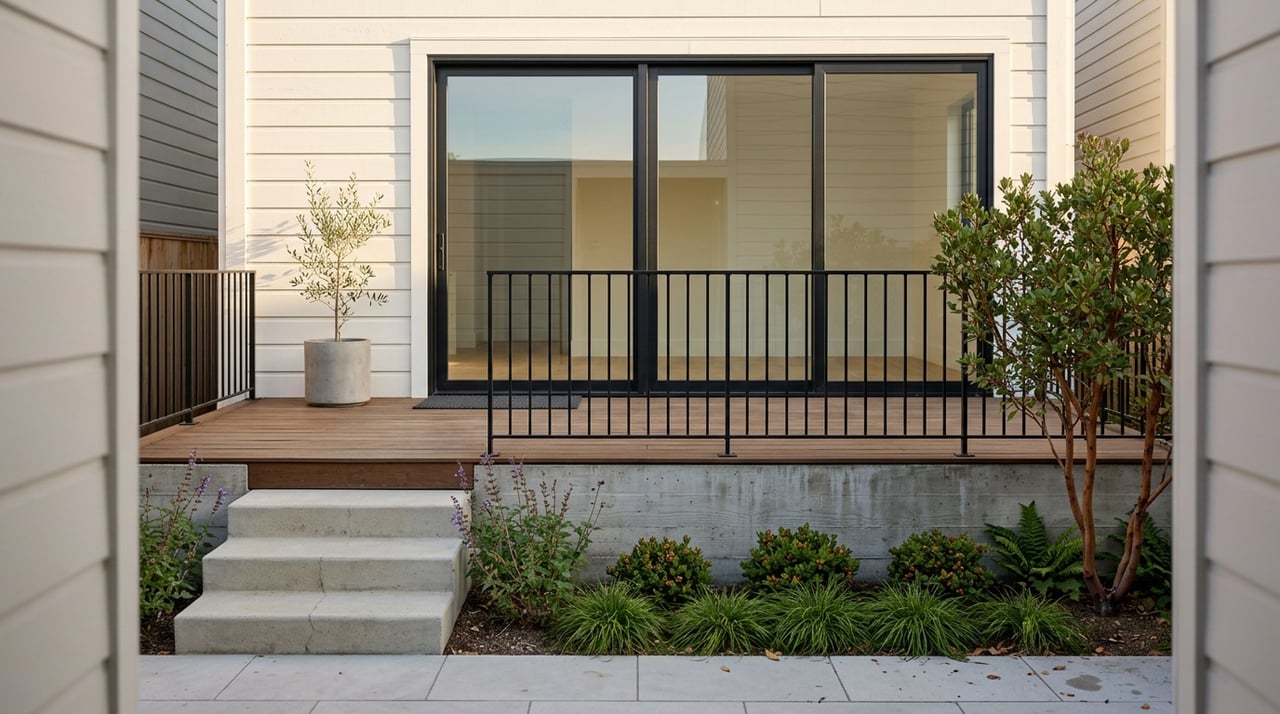
Shopping for a single-family home in Glen Park can feel simple at first glance and complicated the moment you look closer. Inventory is limited, home styles vary block by block, and two houses with the same bedroom count can live very differently day to day. If you want to buy with confidence, it helps to understand how Glen Park’s terrain, housing stock, and market pace shape value. Let’s dive in.
Why Glen Park feels so specific
Glen Park is not a flat, uniform neighborhood. It sits in a valley around Glen Canyon, with a village-like commercial core centered near Diamond Street, Chenery Street, and the BART station. The area is also largely built out, which helps explain why available single-family homes can be limited.
That physical layout has a real impact on your search. Homes closer to the village and BART often offer stronger day-to-day convenience, while homes higher on the slopes may trade some walkability for more quiet, light, or views. That is not a hard pricing rule, but it is a useful framework when you compare options.
Transit is a major part of Glen Park’s appeal. SF Planning notes that roughly 9,000 riders use Glen Park BART each day, with about 75% arriving by walking or public transit. The neighborhood also connects to Highway 280 and is served by the J Church and multiple Muni routes.
Start with micro-location
In Glen Park, the block matters almost as much as the house. A home near the commercial core may put you closer to BART, shops, and transit, but you may also notice more traffic and parking pressure. A home farther up the hill may feel more removed and residential, but your daily walk and drive could be less straightforward.
When you tour, pay attention to the route as much as the front door. Walk to the village. Check the slope. Notice how the street feels at different times of day. In a neighborhood shaped by topography, convenience is not just about distance on a map.
Questions to ask on each block
- How steep is the walk from the home to the main commercial area?
- How close are you to Glen Park BART or a useful Muni line?
- Is parking on the street tight at the times you are likely to come and go?
- Does the home sit on a busier connector street or a quieter side street?
- How much natural light do you get at the front, rear, and lower levels?
Understand Glen Park house types
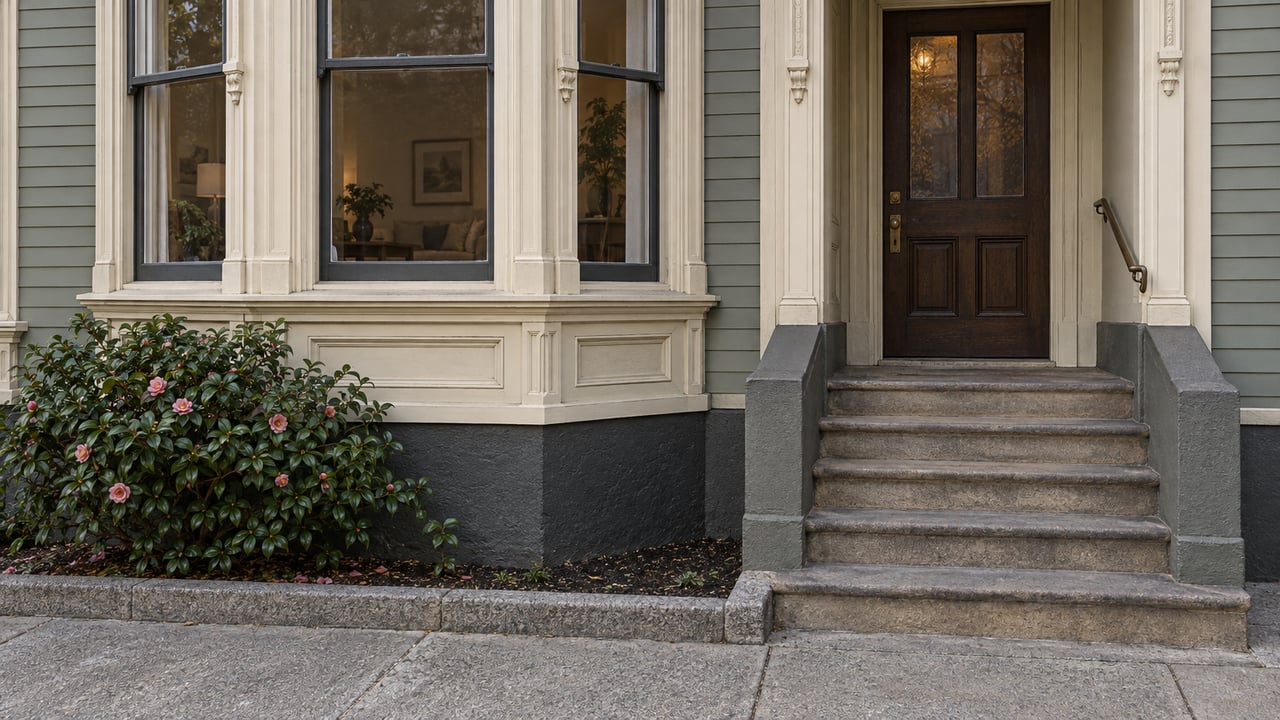
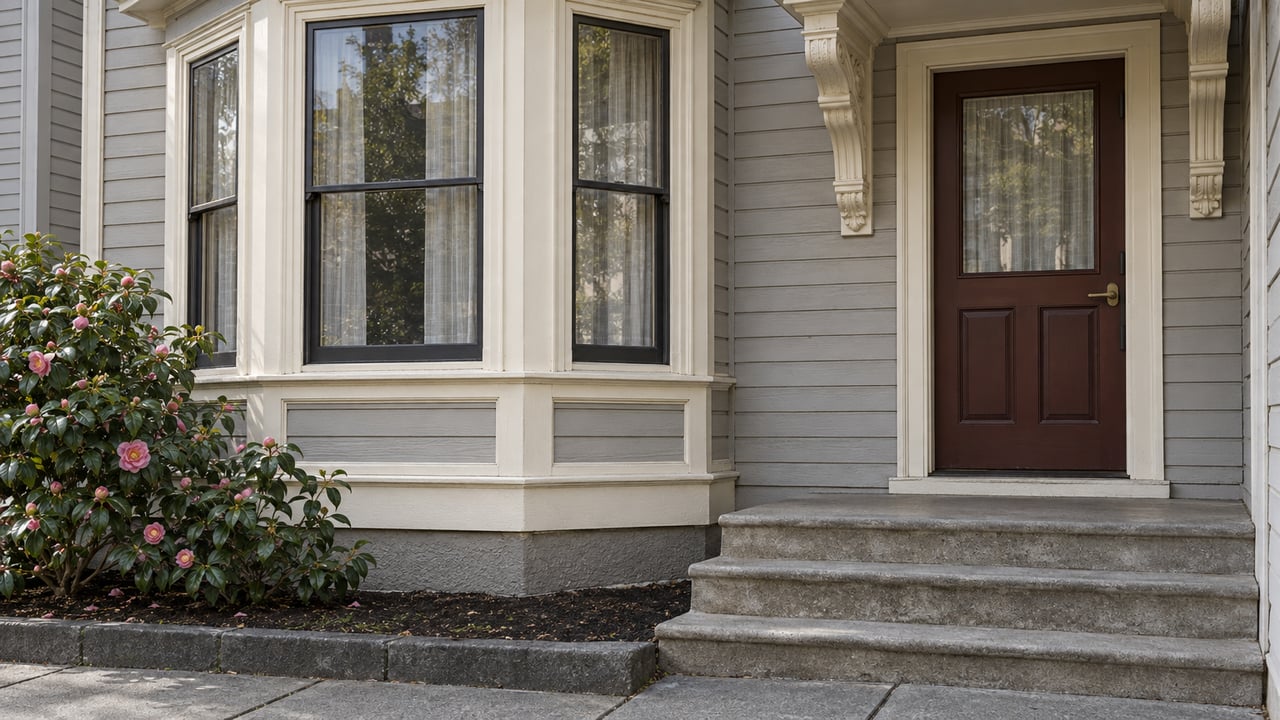
One reason buyers get tripped up in Glen Park is that the housing stock is varied. The neighborhood includes single-story cottages, one-and-a-half-story early homes, and two- to three-story-over-garage residences. Architectural styles also span Craftsman, Tudor Revival, Colonial Revival, Spanish Eclectic, Mediterranean Revival, and mid-century modern homes from the 1950s and 1960s.
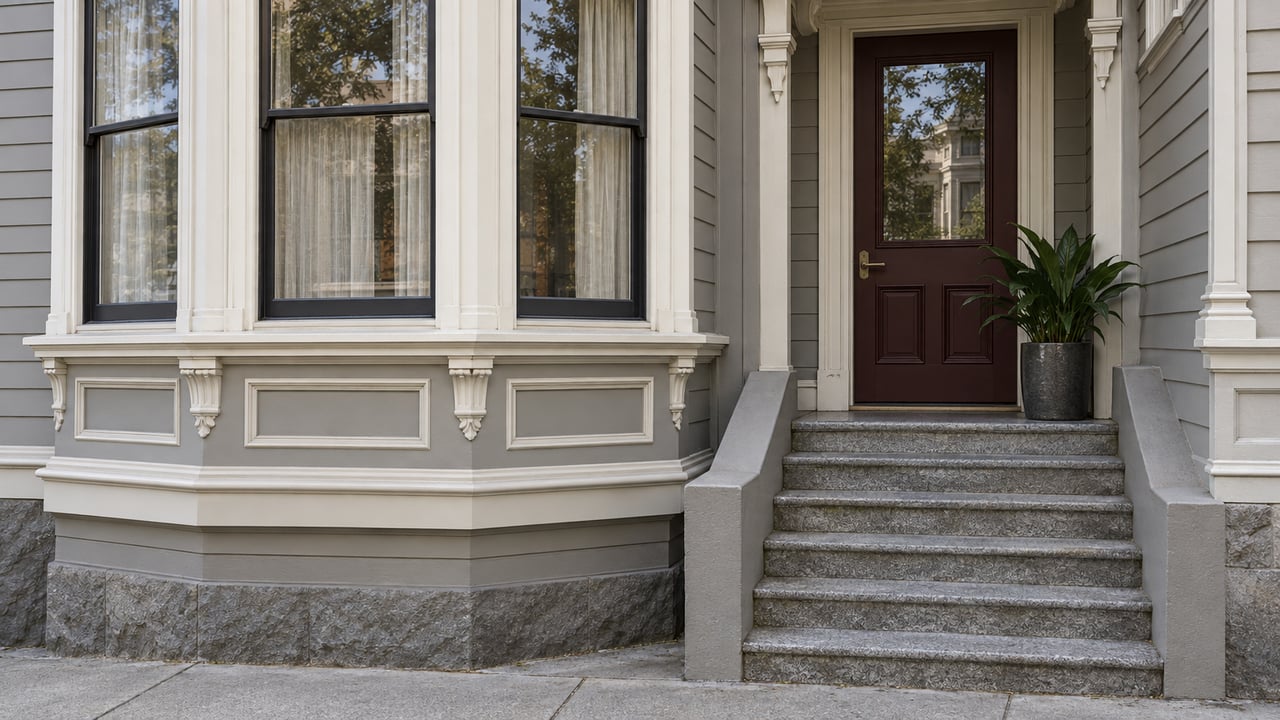
Many homes have exterior stairs leading to the main entry and garages at the ground level. Some homes look modest from the street but expand toward the rear or downhill side. Others include lower-level rooms, garage-level entries, or added living areas below the main floor.
That is why bedroom count alone does not tell the full story. Two three-bedroom homes may offer completely different circulation, storage, privacy, and indoor-outdoor flow. In Glen Park, you need to judge how the home actually functions.
Look past the listing summary
As you tour homes, focus on the floor plan logic:
- Does the main living level connect well to the kitchen and outdoor space?
- Are bedrooms grouped together or split across levels?
- Is lower-level space integrated into daily living or more separated?
- Does the garage work for your actual parking and storage needs?
- Are stairs to the entry and between levels comfortable for your routine?
A house that “lives larger” can be worth more to you than a home with a bigger square-foot number but a less practical layout.
Outdoor space is not just lot size
In Glen Park, lot usability matters more than many buyers expect. Because of the hillside setting, a larger lot on paper may not always translate into better outdoor living. Slope, access, yard shape, and how the outdoor space connects to the interior can matter just as much.
Current listings show how wide the range can be. One home may have a compact lot with a private backyard and attached garage, while another may sit on a double lot with a flat yard and detached garage. Others may offer decks, terraces, level grassy areas, balconies, patios, or corner-lot exposure.
The key is to judge whether the outdoor space is truly usable for your lifestyle. A smaller flat yard or well-placed deck may serve you better than extra square footage on a steep site.
What to evaluate outside
- Is the yard flat, terraced, or steep?
- Can you access outdoor space easily from the main level?
- Is there room for dining, gardening, pets, or play?
- Does the garage or driveway placement reduce yard function?
- Do decks, patios, or balconies add usable living space?
Glen Park also offers strong neighborhood outdoor amenities. SF.gov highlights Glen Canyon Park Recreation Center, the Glen Park Greenway, and canyon trails. Rec and Park describes Glen Canyon as a 60-acre natural area with wildflowers, rock formations, Islais Creek, and an extensive trail network, which can meaningfully shape how buyers think about outdoor lifestyle in the neighborhood.
Read the market clearly
Glen Park remains a limited-supply and competitive market. Zillow’s Glen Park home-value index is $1,858,750 as of May 31, 2026, up 12.5% year over year, with 12 homes for sale and 7 new listings that month. Redfin reports a median sale price of $1,937,848 over the last three months ending May 2026, median days on market of 15, and a very competitive environment where many homes receive multiple offers and sell about 21% above list price.
Those numbers should not be treated as a shortcut for value on any one house. Zillow and Redfin are measuring different things, and Glen Park homes vary sharply by lot, orientation, updates, parking, and layout. Broad neighborhood averages help with context, but they do not replace property-specific analysis.
Active pricing also shows how wide the range can be. Recent visible single-family examples stretch from about $1.595 million and $1.649 million to roughly $2.985 million and $2.995 million. That spread reflects product differences, not just market mood.
Build a confident offer strategy
In a market like Glen Park, confidence comes from discipline. Before you write an offer, decide what features truly justify a premium for you. That usually includes some mix of walk-to-BART convenience, quieter positioning, usable yard space, view quality, garage capacity, and move-in readiness.
Then set a hard ceiling based on genuinely comparable homes. In Glen Park, “comparable” should mean more than similar bedroom count. It should include lot usability, hill position, parking, condition, and how the home lives across levels.
A practical offer framework
- Rank your non-negotiables first. Decide whether transit access, outdoor usability, or layout matters most.
- Separate needs from nice-to-haves. Views and extra space can be appealing, but not always essential.
- Study true comparables. Focus on homes with similar site conditions and floor plan function.
- Price the tradeoffs. Assign a value to walkability, quiet, light, parking, and renovation level.
- Set your ceiling early. Decide in advance how far you are willing to stretch.
This approach helps you stay decisive without getting pulled off course by low list prices or the pressure of competition.
Shop homes with a sharper eye
If you want to shop Glen Park well, treat each home as a combination of house, lot, and micro-location. The neighborhood rewards buyers who notice how topography shapes access, light, outdoor use, and floor plan design. Small differences can have a big impact on daily living and long-term value.
The best buying decisions here are usually not about finding the “perfect” house on paper. They are about recognizing which tradeoffs fit your priorities, then moving with clarity when the right opportunity appears.
If you want a calm, precise read on Glen Park inventory and how specific homes compare, Mollie Poe + Declan Hickey can help you evaluate the details that matter and build a strategy with confidence.
FAQs
What makes Glen Park single-family homes different from one another?
- Glen Park homes vary widely by topography, level layout, architectural style, garage placement, and outdoor usability, so homes with similar bedroom counts may function very differently.
How competitive is the Glen Park single-family market right now?
- Recent market data shows a limited-supply, competitive market, with a median sale price of $1,937,848 over the last three months ending May 2026, median days on market of 15, and many homes receiving multiple offers.
What should buyers look for in a Glen Park lot?
- Focus on usability rather than raw size, including yard slope, access from the main living level, deck or patio function, and how parking or garage placement affects outdoor space.
How important is transit access when buying in Glen Park?
- Transit is a major part of the neighborhood’s appeal because Glen Park BART, the J Church, and multiple Muni routes serve the area, so access can strongly influence convenience and buyer demand.
Why does micro-location matter when buying in Glen Park?
- Homes closer to the village core and BART may offer easier daily access, while homes higher on the slopes may offer different advantages like more quiet, light, or views, so location within the neighborhood can change the living experience significantly.