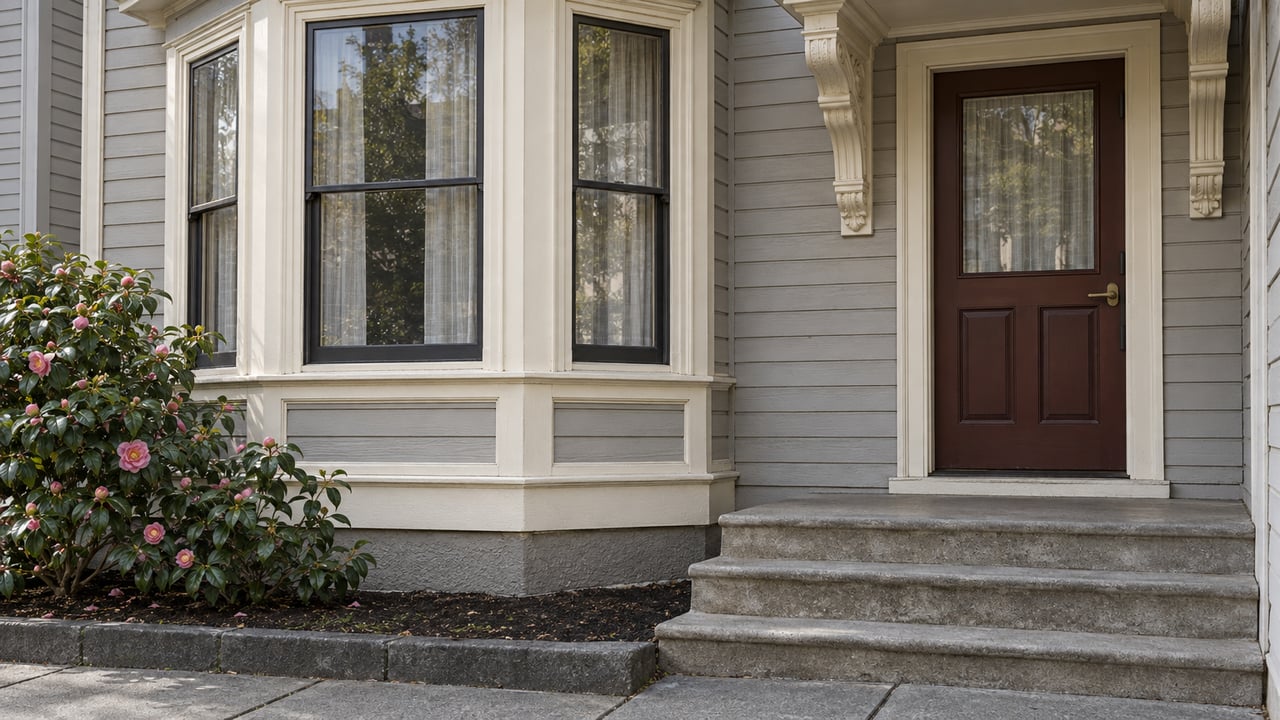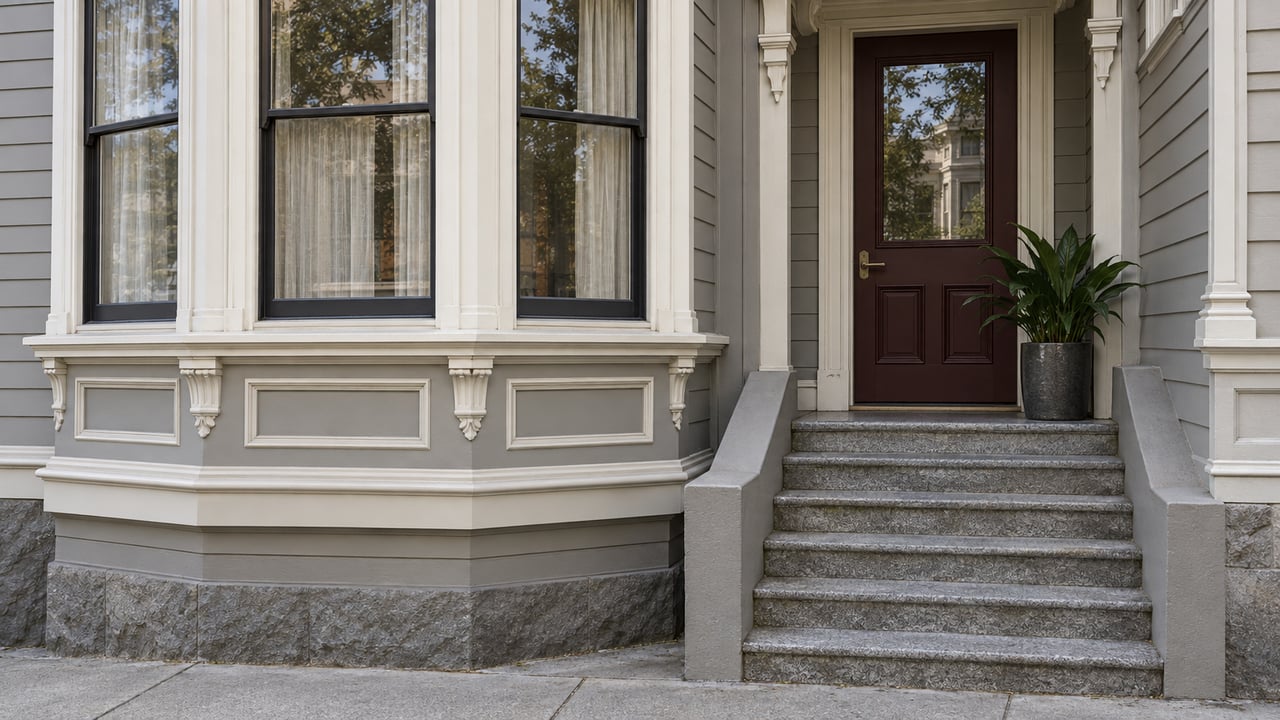
Wondering whether a TIC or a condo makes more sense in Eureka Valley? You are not alone. In this part of San Francisco, buyers often find charming small-building homes that look similar from the street but come with very different ownership, financing, and long-term considerations. If you are weighing your options, understanding those differences can help you buy with more confidence and fewer surprises. Let’s dive in.
Why Eureka Valley Has TIC and Condo Inventory
Eureka Valley’s housing story helps explain why TICs and condos show up here so often. City planning materials describe a historic neighborhood fabric shaped by post-1906 growth and later transit improvements, with many two- and three-story flats, Romeo flats, and larger homes, plus multifamily housing concentrated along Market Street.
That matters because this type of small-scale housing stock often lends itself to one-to-four-unit ownership patterns. In practical terms, Eureka Valley is less about large condo towers and more about smaller buildings where a TIC or a small condominium can be a natural fit.
For buyers, that means your search may include homes that feel similar in size, style, and location, but differ sharply in legal structure. That distinction affects taxes, financing, resale flexibility, and day-to-day ownership.
TIC vs. Condo Basics
The most important difference is not how the building looks. It is whether you are buying into a shared parcel or purchasing a separately created legal unit.
What a TIC Means
According to the San Francisco Assessor-Recorder, a tenancy-in-common, or TIC, means multiple people co-own a single parcel. A common example is a two-flat building where each owner holds a share of the same property rather than owning a separately parceled unit.
For property tax purposes, that parcel is still treated as one unit. TIC co-owners usually share one tax bill for the whole property, even if the Assessor-Recorder provides a courtesy breakout showing each owner’s assessed share.
What a Condo Means
A condo is legally different. Each unit is a separate parcel with its own APN and its own tax bill, which creates a cleaner ownership structure on paper.
That separation can simplify title, billing, and ownership logistics. Even if a condo and a TIC occupy similar flats in a similar building, the legal setup is very different.
Why the Structure Matters to Buyers
If you are comparing a TIC and a condo in Eureka Valley, the ownership structure can shape your experience just as much as the floor plan or finishes.
Taxes and Shared Responsibility in a TIC
In a TIC, all owners remain tied to the same parcel for tax billing purposes. That means the group typically shares responsibility for one property tax bill.
The Assessor-Recorder notes that when one TIC share changes hands, only that share is generally reassessed to current market value. That can be appealing for some long-term holders, but it does not change the fact that owners still need to coordinate around a shared bill.
Separation and Simplicity in a Condo
With a condo, each unit has its own parcel and separate tax bill. That gives you clearer legal separation from other owners in the building.
In practical terms, many buyers see condos as more straightforward because ownership, billing, and title are not wrapped into a single parcel shared with neighbors.
Financing Can Be a Major Deciding Factor
For many buyers, the financing question is where the TIC-versus-condo decision becomes real. San Francisco Planning states that loans for TIC and other joint-ownership buildings are generally underwritten more conservatively than condo loans.
That often means higher interest rates and larger down payments than you might see with comparable condo financing. Over time, that difference can affect your monthly cost, cash needed up front, and resale liquidity.
TIC Financing Tradeoffs
A TIC may offer access to a well-located home in Eureka Valley that might be priced differently than a similar condo. But that opportunity comes with added complexity.
Because the ownership structure is shared, financing can be less flexible and more expensive. Buyers should look closely at how the loan structure fits their budget, timeline, and comfort with risk.
Condo Financing Advantages
The Assessor-Recorder’s comparison notes that condo ownership is generally not tied to a linked financing arrangement among other owners in the building. That cleaner separation can make condos easier to understand and, in many cases, easier to finance.
For buyers who want simpler lending and a more conventional ownership setup, that can be a strong advantage.
The Risk Profile Is Different
A TIC is not automatically a bad fit, and a condo is not automatically the better deal. But the risk profile is different, and it is worth understanding before you make an offer.
In a TIC, co-owners remain responsible for the full parcel tax bill, and the shared structure can create problems if one owner does not pay on time. In a condo, the legal separation of units generally avoids that kind of linked liability across owners.
That difference matters if you value predictability. It also matters if you are thinking ahead to resale, financing changes, or a longer hold period.
Why Condo Conversion Gets So Much Attention
In Eureka Valley, buyers often ask whether a TIC could eventually become a condo. That question comes up for a reason.
San Francisco Planning notes that financing friction is one reason many TIC properties eventually seek condo conversion. A successful conversion can change the legal structure in a way that may improve financing and resale appeal, but that outcome is never automatic.
San Francisco Conversion Rules
San Francisco’s residential condo conversion program is limited to buildings with six or fewer units. For all buildings, owners must have occupied 50 percent or more of the units continuously for three years before entering the annual lottery.
Two-unit buildings have a different path. If the separate owners of each unit have occupied the building for one year, they may bypass the lottery.
Buildings with more than six units cannot convert under this program. That rule alone narrows the pool of possible conversions in many parts of the city.
Why Conversion Inventory Stays Scarce
Even when a building seems like a logical candidate, the conversion pipeline is small. San Francisco’s 2025 Housing Inventory reports that only 50 condo conversion units were recorded in 2025, which was 74 percent below the 10-year average of 194 units.
That tells you something important about Eureka Valley inventory. If you are waiting only for condos with conversion upside, you may be shopping in a very limited pool.
Conversion Is Not Just Paperwork
The process itself is detailed. San Francisco Public Works says condo conversion cases involve multiple stages, tenant notification, and review, and tenants are informed of their right of first refusal to buy the unit they occupy.
Public Works also notes that many applicants hire an attorney or other professional practitioner because the laws and regulations are complex. A DBI handout further indicates that physical inspections may require building, electrical, or plumbing follow-up work before completion.
How to Evaluate a TIC Opportunity in Eureka Valley
If you are considering a TIC, it helps to look beyond the listing photos and ask practical questions early.
Key Questions to Ask
- Is the building actually eligible for condo conversion under current San Francisco rules?
- Does the owner-occupancy history meet the city’s requirements?
- How is the TIC structured for taxes and shared payments?
- What does the financing look like compared with a similar condo?
- Does the ownership structure fit your intended hold period and risk tolerance?
Those questions can help you separate a promising opportunity from a deal that only looks attractive at first glance.
How to Think About Condo Opportunities
If your priority is cleaner title, separate tax billing, and potentially simpler financing, a condo may be the clearer fit. In Eureka Valley, though, that simplicity often comes with scarcity because small-building condo inventory can be limited.
That means buyers often need to balance convenience against availability. In some cases, the right condo is worth waiting for. In others, a well-structured TIC may open the door to a location or property type that would otherwise be hard to access.
The Right Choice Depends on Your Goals
There is no universal winner between a TIC and a condo in Eureka Valley. The better fit depends on what you value most.
If you want a more straightforward legal structure and cleaner separation from other owners, a condo may align better with your goals. If you are comfortable with more complexity and focused on accessing a specific building, block, or price point, a TIC may deserve serious consideration.
In this neighborhood, the stakes are not just about property type. They are about how ownership structure, financing, and future flexibility line up with your plans.
Navigating TIC and condo opportunities in Eureka Valley takes local context and careful analysis. If you want a measured, strategic read on a specific building or off-market opportunity, Mollie Poe + Declan Hickey can help you evaluate the details with clarity and confidence.
FAQs
What is a TIC in Eureka Valley real estate?
- A TIC, or tenancy-in-common, is a form of ownership where multiple owners share one parcel, which usually means one shared property tax bill for the building.
What is the difference between a condo and a TIC in San Francisco?
- A condo is a separately parceled legal unit with its own APN and tax bill, while a TIC is shared ownership of a single parcel.
Why are TICs common in Eureka Valley?
- Eureka Valley has many older small buildings, including flats and small multifamily properties, which often align with TIC and small condo ownership patterns.
Can a Eureka Valley TIC convert to a condo?
- Some can, but only if the building meets San Francisco’s rules, including unit-count and owner-occupancy requirements, and conversion is still a limited process.
Are TIC loans different from condo loans in San Francisco?
- Yes. City planning materials state that TIC and joint-ownership loans are generally underwritten more conservatively, often with higher rates and larger down payments than comparable condo loans.
Why is condo conversion inventory so limited in San Francisco?
- San Francisco limits condo conversion to buildings with six or fewer units and applies occupancy and process requirements, which keeps the number of completed conversions relatively small.