Thinking about a move to Noe Valley? For many San Francisco buyers, this neighborhood stands out because it feels residential and connected at the same time, with a busy local corridor, practical transit, and a housing mix that ranges from compact condos to larger homes. If you are weighing schools, commute options, and what your budget may actually buy, this guide will help you set realistic expectations and move forward with more clarity. Let’s dive in.
Why Noe Valley Draws Relocating Buyers
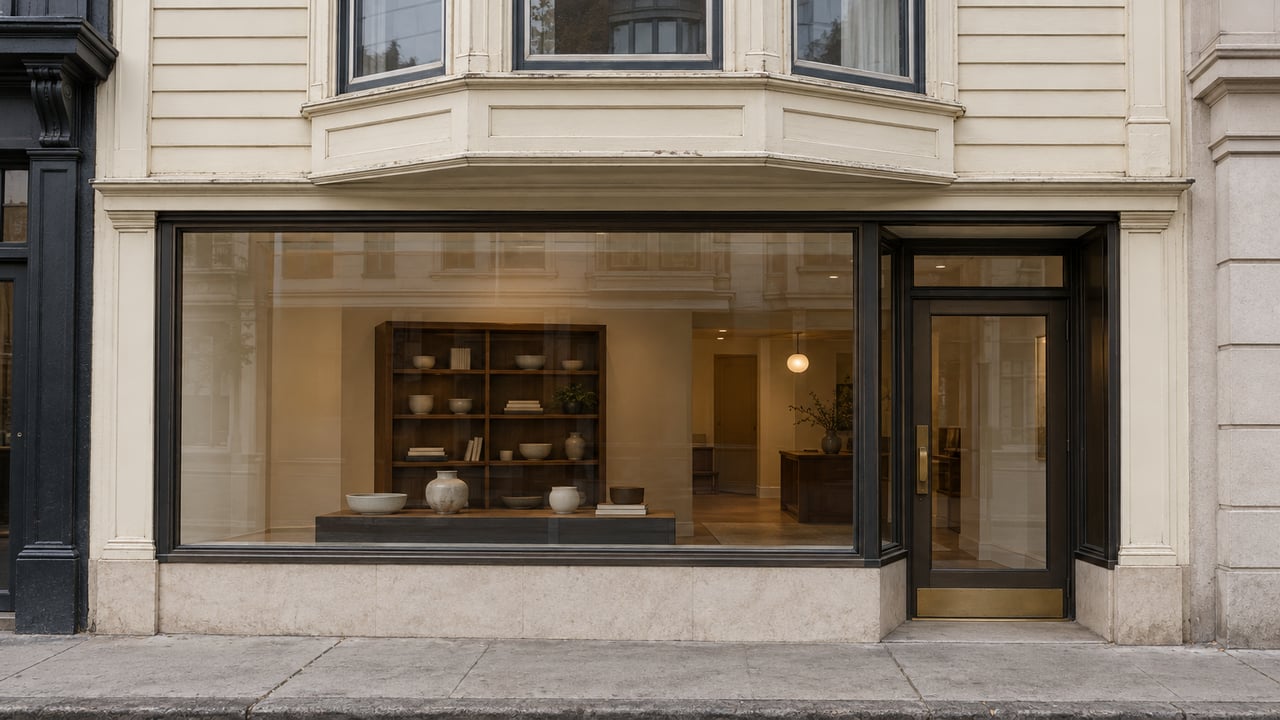
Noe Valley is often described as one of San Francisco’s quieter, more residential neighborhoods. San Francisco Travel notes its quaint, quiet feel, while San Francisco Planning describes the 24th Street commercial district as a small-scale, mixed-use corridor with ground-floor retail and housing above. In day-to-day terms, that gives many buyers the sense of a neighborhood with a local rhythm rather than a purely commuter feel.
Much of daily life centers on 24th Street. It is the main local commercial strip, and nearby Noe Valley Town Square functions as a central gathering place for community events and the year-round farmers market held on Saturdays from 8 a.m. to 1 p.m. at 3861 24th Street. If you are relocating from outside San Francisco, that kind of regular neighborhood activity can make it easier to picture your weekly routine.
Schools in Noe Valley
If schools are a big part of your move, the most important thing to know is that San Francisco Unified School District uses a citywide enrollment process. SFUSD currently offers 72 elementary schools, 13 middle schools, and 14 high schools, and families are encouraged to use the School Finder tool based on their address and preferred filters. That means you should not assume a single guaranteed neighborhood-school path.
For many relocating families, this is one of the biggest adjustments. In some markets, your home address points clearly to one school pattern. In San Francisco, the process is broader and more choice-based, so it helps to start early and confirm options directly through SFUSD.
Nearby public school options
There are several public schools physically in or near Noe Valley that buyers often look at during a move:
- Alvarado Elementary School, TK-5, 625 Douglass Street
- Mission Education Center, PreK-5, 1670 Noe Street
- James Lick Middle School, 6-8, 1220 Noe Street
- Sanchez Elementary School, TK-5, 325 Sanchez Street
These are best described as nearby public options, not guaranteed assignments. Placement depends on SFUSD’s application process and address-specific rules.
Private and early childhood options
Noe Valley also has a meaningful concentration of private and early-childhood options. St. Philip’s School, at 665 Elizabeth Street, serves preschool through 8th grade and includes transitional kindergarten. St. Paul’s School, at 1690 Church Street, is a private K-8 Catholic school with one classroom per grade and average class sizes under 20.
For younger children, Noe Valley Nursery School is a year-round cooperative preschool located at Noe Valley Town Square. For relocating households, that mix of preschool, elementary, and K-8 options close to home can be a real advantage, especially if you want several paths to compare in one area.
What families should plan for
The practical takeaway is simple: Noe Valley offers strong school access in terms of proximity and variety, but you will want to plan ahead. If you have a specific public school goal, use SFUSD’s tools early and build your home search around verified information rather than assumptions. That extra step can make your relocation process much smoother.
Transit and Commute Options
Noe Valley works well for many city commuters because it has dependable local transit and good connections, even though it is not a major regional rail hub itself. If you work downtown, the neighborhood’s transit setup is often one of its clearest advantages. If you commute farther south, your route will usually involve a transfer.
J Church for downtown access
The J Church is the key rail line for Noe Valley. SFMTA lists stops along Church Street at 22nd, 24th, 26th, 28th, 29th, and 30th streets, and the route continues through downtown to Civic Center, Powell, Montgomery, and Embarcadero. On weekdays, service runs every 15 minutes in the morning, midday, and evening, and every 20 minutes late at night.
For many buyers, this is the most important transit feature in the neighborhood. If you need a practical route into the downtown core, the J Church provides a straightforward rail-based option without requiring you to live in a busier, denser transit hub.
48 Quintara/24th Street for crosstown travel
The 48 Quintara/24th Street bus is the neighborhood’s other major transit workhorse. SFMTA shows frequent service, 24-hour operation, and stops along 24th Street that connect across multiple San Francisco neighborhoods. That gives residents useful east-west and crosstown coverage, plus a late-night option when other routes may be less convenient.
If your routine includes errands, social plans, or school drop-offs beyond Noe Valley itself, this line can be just as valuable as rail. It supports the kind of daily flexibility that many buyers want when choosing a city neighborhood.
BART and Caltrain connections
For regional travel, Noe Valley is more of a connector than a direct rail hub. Riders often connect to BART through Glen Park or Balboa Park rather than boarding in Noe Valley itself. That can still work well for broader Bay Area access, but it is helpful to think in terms of linked transit rather than one-seat regional service.
The same is true for Caltrain. The nearest Caltrain access is outside the neighborhood, with stations including 22nd Street and San Francisco on the line. If you commute toward Silicon Valley, you should expect a transfer from Noe Valley to Caltrain or another regional mode as part of the trip.
Homes in Noe Valley
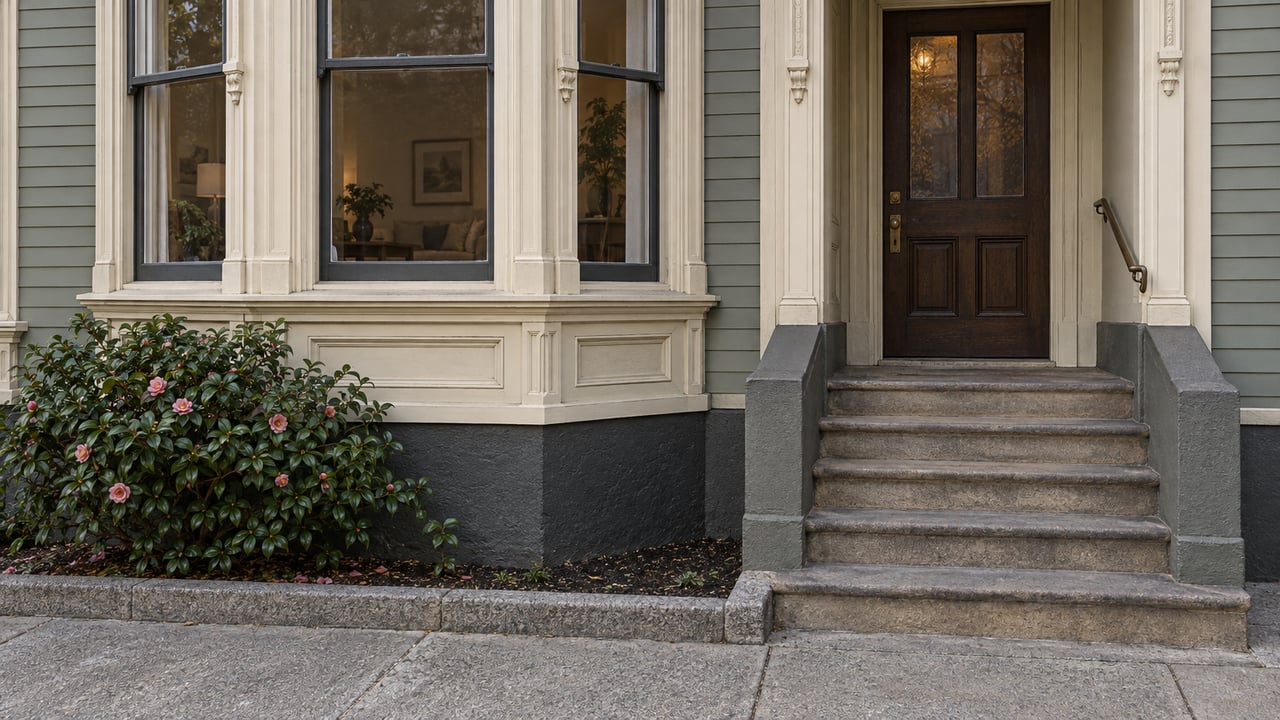
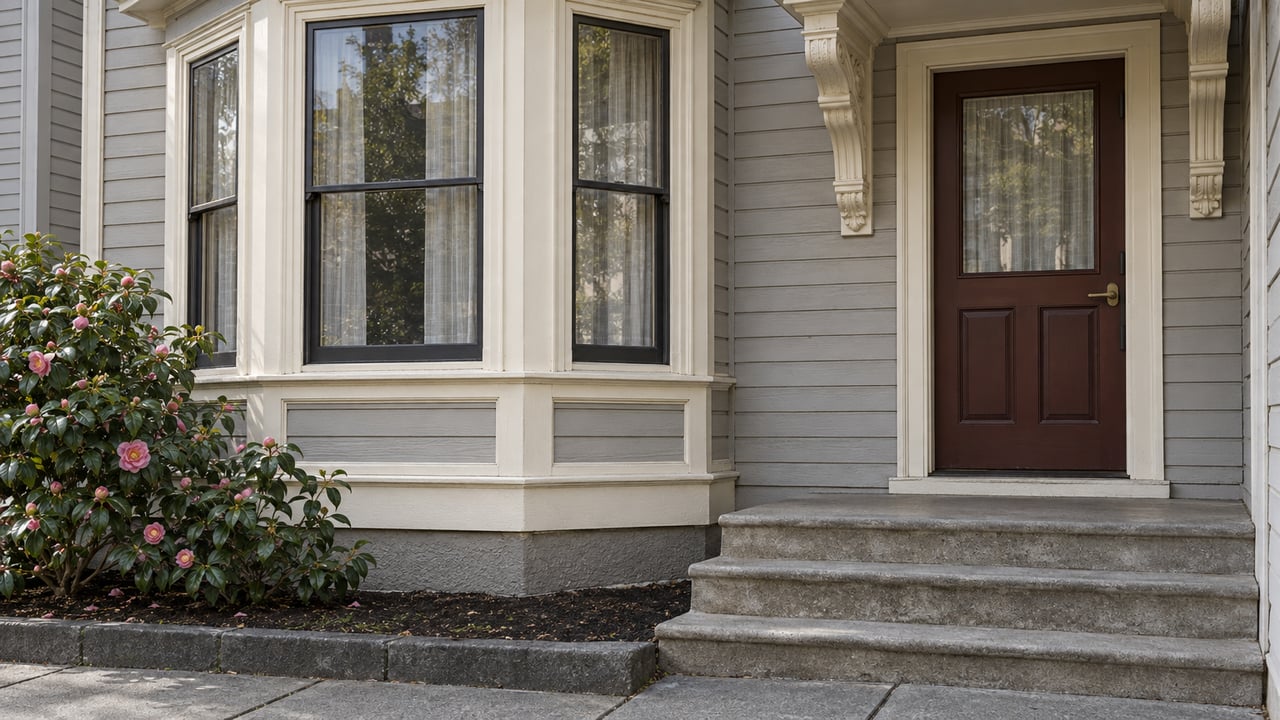
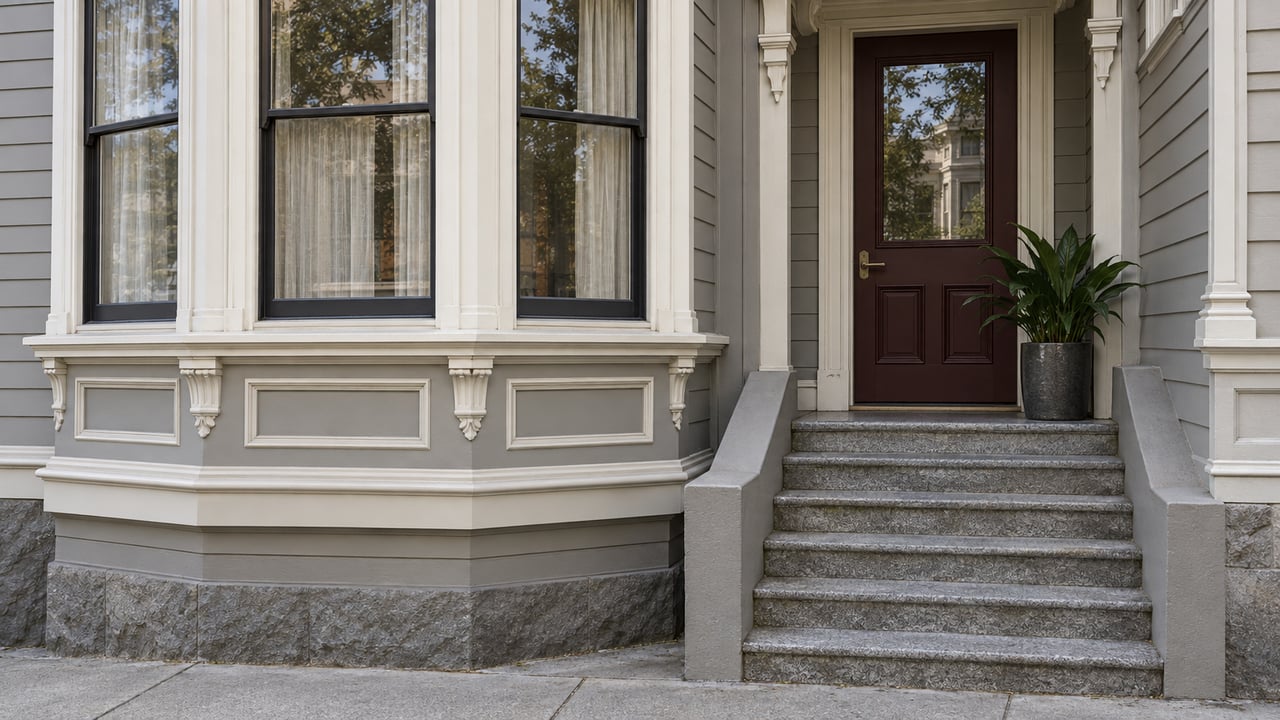
Noe Valley has a broad housing mix, and that variety is part of its appeal. Buyers will find condos, multi-unit properties, and single-family homes, along with older housing stock that may come with architectural character and renovation considerations. This is not a neighborhood of uniform new construction.
San Francisco Planning notes that Noe Valley was shaped by early development patterns, rail expansion, and post-1906 growth, and that Folk Victorian architecture is more likely to be found here. The 24th Street district also reflects a small-scale mixed-use character with housing above retail. In practical terms, you should expect older homes, varied layouts, and a range of property types rather than a standardized product.
What your budget may buy
Current listing examples show how wide that range can be. Recent listings included a one-bedroom condo around $400,000, a two-bedroom condo around $849,000, a four-bedroom mixed-use property around $1.75 million, and a five-bedroom home around $2.995 million. That spread gives you a sense of how much property type, condition, and location can shape value within the same neighborhood.
At a broader level, Realtor.com reported median listing prices around $1.47 million to $1.60 million in early 2026, while Redfin showed 13 new listings with a median listing price of $1.53 million. Those listing numbers are useful for search planning, but they do not tell the whole story about where deals actually close.
Market Expectations for Buyers and Sellers
If you are relocating to Noe Valley, it is important to separate listing prices from sale prices. Redfin reported a March 2026 median sale price of $2.275 million, with homes selling in an average of 11 days. It also described Noe Valley as a most competitive market, with homes often receiving multiple offers and selling about 19% above list price on average.
That gap between asking and closing numbers can surprise buyers who are new to San Francisco. It does not mean every property behaves the same way, but it does mean your budget strategy should account for competition, especially for well-located and well-presented homes.
Why the numbers can look different
Neighborhood pricing snapshots often vary by source and by month. Some reports focus on current listings, while others measure closed sales or rents. Those differences usually reflect timing, sampling, and whether the number represents a listing price, sale price, or rental figure.
In Noe Valley, that means you may see a median listing price in the mid-$1 millions while also seeing a median closed sale price above $2 million. Both can be true at the same time. The key is understanding what each metric is actually measuring before you anchor your expectations.
What competition looks like on the ground
This is a walkable, high-demand neighborhood with a strong local commercial core and reliable transit. Redfin gives Noe Valley a Walk Score of 94, which lines up with what many buyers experience in person along 24th Street and nearby blocks. Homes that show well and line up with what buyers want can move quickly.
For sellers, that can create strong positioning when pricing, preparation, and presentation are handled well. For buyers, it means speed and preparation matter. A clear search plan, realistic budget, and neighborhood-specific guidance can make a major difference.
What Daily Life Feels Like
Beyond the numbers, Noe Valley appeals to many buyers because of how usable it feels from one day to the next. The neighborhood combines local retail, public gathering space, and transit in a compact footprint. That mix can support a lifestyle where errands, coffee, dining, and weekend routines stay close to home.
The Noe Valley Association’s work to improve public space along the commercial corridor also helps explain why the neighborhood feels cared for and highly local. Combined with Town Square and the farmers market, the result is a daily environment that many relocating buyers find easy to settle into.
Is Noe Valley Right for Your Move?
If you want a San Francisco neighborhood with a residential feel, a clear commercial heart, practical downtown transit, and a wide range of homes, Noe Valley deserves a close look. It offers meaningful school options nearby, but public school placement requires planning. It offers strong city transit, but most regional commuting still involves a connection. And it offers broad housing choice, but in a market that remains highly competitive.
The best move is to approach Noe Valley with clear expectations. When you understand how the school process works, how transit really functions, and how listing prices compare with sale prices, you can make decisions with more confidence. If you are planning a move to San Francisco and want a calm, data-backed view of where Noe Valley fits, connect with Mollie Poe + Declan Hickey for a confidential consultation.
FAQs
How do public schools work for families relocating to Noe Valley?
- SFUSD uses a citywide enrollment process, so you should use the School Finder tool early and avoid assuming one guaranteed neighborhood-school assignment.
What public schools are near Noe Valley?
- Nearby public options include Alvarado Elementary, Mission Education Center, James Lick Middle School, and Sanchez Elementary, but placement depends on SFUSD rules and the application process.
What private school options are in Noe Valley?
- Local private and early-childhood options include St. Philip’s School, St. Paul’s School, and Noe Valley Nursery School.
How do you commute from Noe Valley to downtown San Francisco?
- The J Church is the main rail option, with service through downtown to Civic Center, Powell, Montgomery, and Embarcadero.
How do Noe Valley residents connect to BART or Caltrain?
- Most residents connect to BART through Glen Park or Balboa Park, and Caltrain access typically requires a transfer to stations such as 22nd Street or San Francisco.
What kinds of homes are available in Noe Valley?
- Buyers can find condos, multi-unit properties, mixed-use buildings, and single-family homes, with many older properties reflecting the neighborhood’s historic housing stock.
How competitive is the Noe Valley housing market?
- Redfin reported a March 2026 median sale price of $2.275 million, average market time of 11 days, and multiple-offer activity that often pushed sales above list price.
Why do Noe Valley listing prices and sale prices look so different?
- Listing and sale metrics measure different things, so neighborhood numbers can vary based on timing, property mix, and whether the data reflects asking prices, closed sales, or rents.