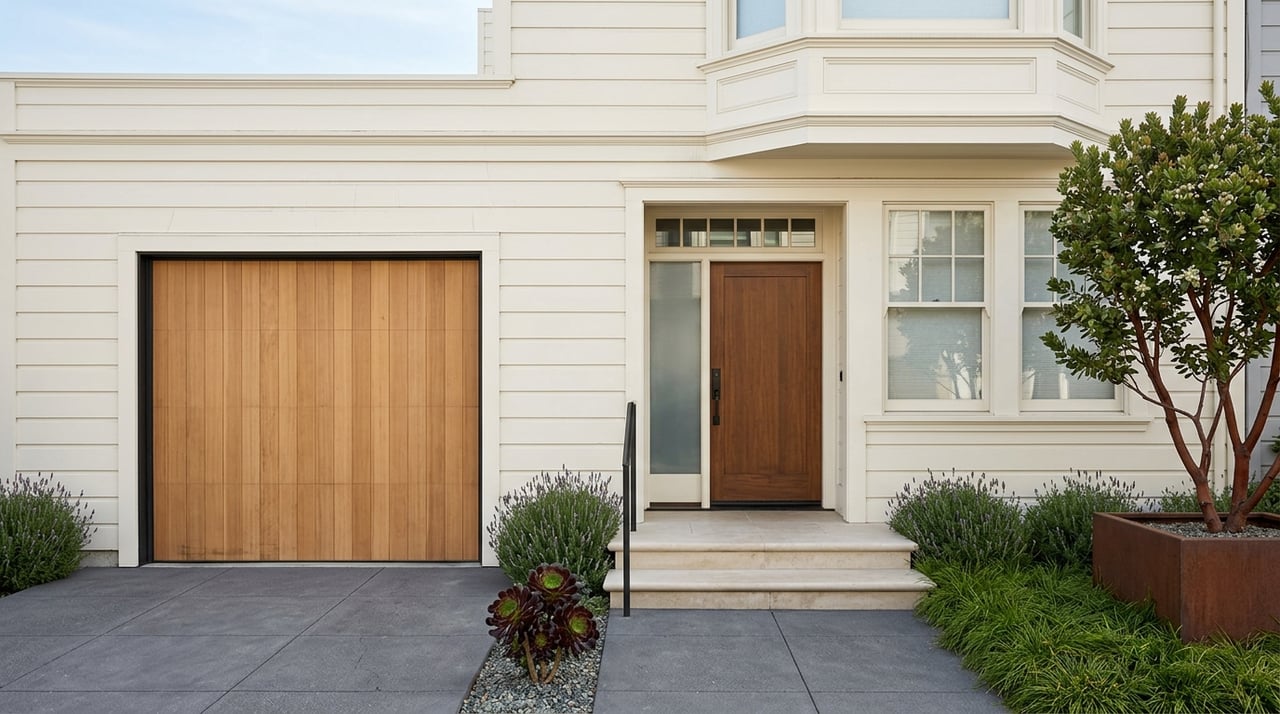
If you are thinking about buying in the Marina, you are not alone, and you are not shopping in a slow market. The Marina remains one of San Francisco’s most competitive neighborhoods, where buyers move quickly and often pay a premium for the right home. Understanding what stands out right now can help you focus your search, sharpen your expectations, and make better decisions. Let’s dive in.
Marina market conditions now
The Marina is moving fast. Over the three months ending May 2026, Redfin reported a median sale price of $2,949,008, with homes selling in a median of 12 days and a sale-to-list ratio of 115.7%.
That kind of pace tells you something important. Buyers are still willing to compete when a property checks the right boxes, especially when it is well presented, well located, and easy to enjoy from day one.
Move-in-ready matters most
Today’s Marina buyers are not just buying square footage or a zip code. They are often looking for a home that feels finished, functional, and ready for immediate use.
Survey data supports that shift. Bright MLS found that 56.1% of prospective buyers said a home requiring no repairs was very important, and another 37.8% said it was somewhat important.
In practical terms, that means updated kitchens and baths carry real weight. Fresh paint, refinished hardwood floors, strong lighting, and modernized systems can make a home feel far more compelling than a similar property that still reads as a project.
Period charm with modern updates
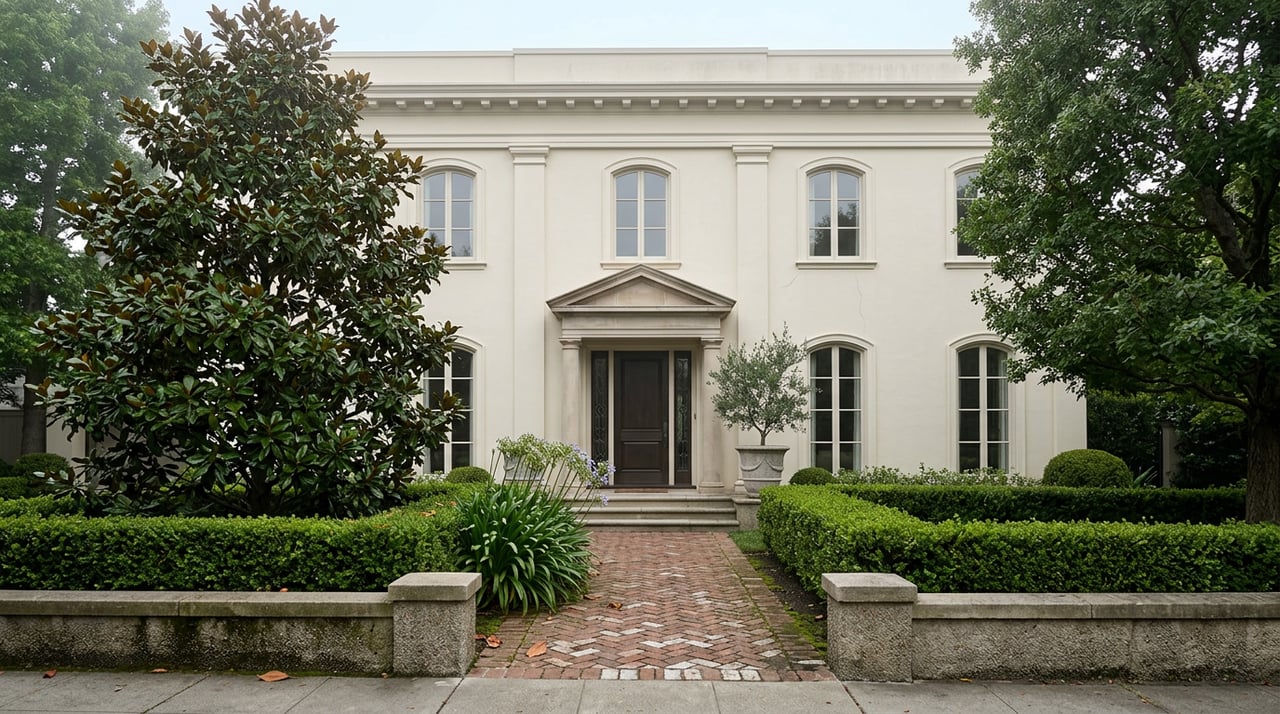
The Marina has a distinct architectural identity, and buyers notice it. San Francisco Planning describes the Marina Corporation Residential Historic District as a 1920s neighborhood shaped by Mediterranean Revival, Spanish Eclectic, other Period Revival styles, plus some Art Deco and Eclectic buildings.
Features like stucco exteriors, red clay tile roofs, multi-lite windows, wrought iron details, tile accents, and graceful street patterns all help define the neighborhood’s look. For many buyers, that character is part of the appeal.
At the same time, recent sales show that charm alone is not enough. Buyers respond best when classic Marina architecture is paired with updated interiors, modern systems, and thoughtful improvements that support everyday living.
What this looks like in real homes
Recent Marina sales highlighted familiar features that continue to resonate. Larger rooms, separate dining areas, updated kitchens and baths, refinished hardwood floors, and fresh interior paint all showed up in sold properties.
One recent sale specifically paired 1920s Marina style with modern systems and seismic construction. That combination helps explain what many buyers want now: original character without the feeling that a major renovation is waiting.
Light, layout, and livability
In a premium neighborhood, buyers tend to look beyond finishes alone. They also pay close attention to how a home feels during everyday life.
That includes natural light, room flow, and a layout that supports how people live now. Bright rooms and clean interior finishes tend to make a stronger impression than spaces that feel chopped up, dim, or overly dated.
In the Marina, classic layouts still appeal, especially when they offer a sense of scale and separation. A distinct dining room, generous living spaces, and a practical bedroom arrangement can feel more valuable than a trend-driven redesign that sacrifices function.
Outdoor space still has pull
Outdoor living continues to matter. The AIA 2025 Home Design Trends Survey showed ongoing demand for outdoor living spaces and blended indoor-outdoor areas.
For Marina buyers, that can translate into strong interest in patios, courtyards, balconies, and roof decks. Even modest outdoor space can add meaning when it feels usable and well integrated with the rest of the home.
This is especially true in a neighborhood where the outdoor lifestyle is part of daily life. Easy access to waterfront views, trails, and open space reinforces the value of having a private spot to relax, entertain, or simply get fresh air.
Waterfront lifestyle is part of the value
The Marina is not just a housing market. It is also a lifestyle market, and buyers often price that in.
San Francisco Travel highlights Marina Green for panoramic views of the Golden Gate Bridge, the bay, and Alcatraz. Crissy Field adds waterfront trails and beach access, while nearby dining on Chestnut and Union Streets helps define the neighborhood’s everyday rhythm.
The Golden Gate National Parks Conservancy notes that Crissy Field was transformed from a concrete parking lot into a shoreline park. That history helps explain why outdoor access feels so central to the Marina experience today.
Walkability and proximity count
Buyer preferences continue to favor convenience. Bright MLS found strong interest in commute distance, walkability, proximity to retail and restaurants, parks and open space, and transit access.
In the Marina, that means location is about more than an address on paper. Buyers are often looking closely at how easily they can get to the waterfront, neighborhood dining, green space, and daily errands.
Parking is more important than many expect
Parking remains a meaningful factor in this neighborhood. In a place where curb-space pressure is real, deeded or garage parking can influence both buyer interest and pricing strength.
A San Francisco Chronicle analysis found that the Marina was among the neighborhoods most likely to receive parking tickets per resident. The Bay Water Trail also notes that Marina Green parking is first-come, first-served and often full on weekends.
That matters because buyers know the difference between occasional inconvenience and daily friction. If a home includes garage parking, storage, or easier vehicle access, many buyers will see that as a serious advantage.
Kitchens and baths still set the tone
When buyers walk through a Marina home, kitchens and baths often shape their overall impression. They do not need to be flashy, but they do need to feel current, functional, and consistent with the home’s price point.
The AIA survey points to ongoing interest in features like daylighting, doorless showers, radiant heated floors, butler pantries, and wine storage. Not every buyer expects every feature, but many do notice when these spaces feel intentional rather than simply updated on paper.
A clean, cohesive finish matters too. Buyers tend to respond well when materials, fixtures, and layout choices feel polished and easy to maintain.
What buyers often value most
If you are trying to understand the Marina buyer mindset, a few themes rise to the top:
- Turnkey condition with minimal immediate repair needs
- Historic character paired with modern systems and fresh interiors
- Natural light and bright, inviting rooms
- Functional layouts with strong everyday livability
- Usable outdoor space such as patios, decks, balconies, or courtyards
- Walkable access to waterfront amenities, dining, parks, and daily conveniences
- Parking that reduces everyday hassle
- Updated kitchens and baths that feel current and well executed
These priorities help explain why some homes attract intense interest while others receive a more measured response. In the Marina, buyers are often paying for ease, character, and lifestyle all at once.
What this means if you plan to buy
If you are entering the Marina market, it helps to be clear about your non-negotiables early. A beautiful facade may pull you in, but your long-term satisfaction often comes down to layout, light, storage, parking, and the level of updating already completed.
It also helps to separate cosmetic issues from true project risk. A home with strong bones, appealing architecture, and updated systems may offer better value than one with surface-level polish but less functional substance.
Because the market moves quickly, preparation matters. The more clearly you define your priorities, the easier it becomes to act with confidence when the right property appears.
If you want a clear read on what Marina buyers are responding to right now, or you are preparing to compete for a well-positioned home, Mollie Poe + Declan Hickey bring a calm, precise, neighborhood-driven approach to the process.
FAQs
What do Marina buyers in San Francisco prioritize most right now?
- Marina buyers are often focused on move-in-ready condition, natural light, functional layouts, updated kitchens and baths, usable outdoor space, and parking.
How competitive is the Marina housing market in San Francisco?
- Redfin reported that over the three months ending May 2026, the Marina had a median sale price of $2,949,008, homes sold in a median of 12 days, and the sale-to-list ratio was 115.7%.
Why does historic character matter to Marina homebuyers?
- Buyers are often drawn to the Marina’s 1920s architecture, including Mediterranean Revival and Spanish Eclectic influences, especially when original character is paired with modern systems and updated interiors.
Does parking affect home value in the Marina District?
- Yes. In a neighborhood with notable curb-space pressure, garage or deeded parking can be a meaningful selling point and an important quality-of-life feature for buyers.
Why is outdoor space important to Marina buyers?
- Outdoor space matters because buyers continue to value patios, roof decks, balconies, courtyards, and easy access to open-air living, especially in a neighborhood shaped by waterfront parks and trails.