If you are wondering whether you can truly live in San Francisco without leaning on your car every day, Hayes Valley is one of the clearest places to test that idea. This neighborhood was shaped for exactly the kind of daily rhythm many buyers and renters want now: shorter errands, easier transit, and more of your week handled on foot. If you are considering a move here, this guide will help you understand what car-light living really looks like in Hayes Valley and what to look for in a home. Let’s dive in.
Why Hayes Valley Feels Car-Light
Hayes Valley’s street pattern and daily convenience did not happen by accident. According to SFMTA and San Francisco Planning, the neighborhood’s post-freeway redevelopment replaced former freeway structures with dense housing, shops, restaurants, and a more transit-oriented street network.
That planning history still shapes daily life today. The Market-Octavia plan supports transit-oriented uses and reduced automobile traffic, which helps explain why Hayes Valley often feels easier to navigate on foot than many city neighborhoods.
Everyday errands are close by
One reason car-light living works here is simple: a lot is nearby. SF.gov describes Hayes Valley as a strollable shopping neighborhood with more than 50 restaurants and bars, and the area is widely centered around boutiques, dining, and Patricia’s Green.
For many residents, that means you can handle a surprising share of daily life without driving. Coffee, dinner, casual shopping, and a quick neighborhood walk are often part of the same outing rather than separate car trips.
Shared streets support the pace
The neighborhood’s public realm also reinforces that lifestyle. SFMTA says Hayes Street between Gough and Octavia is closed every Friday and Saturday for the Hayes Valley Farmers Market & Shared Spaces event, with the program expected to continue through the rest of 2026.
That matters because it strengthens the neighborhood’s pedestrian-first feel. It also means parts of Hayes Valley regularly function more like a social main street than a drive-through corridor.
Transit Options in Hayes Valley
If you want to live with fewer car trips, reliable transit matters just as much as walkability. Hayes Valley benefits from several useful Muni lines, plus nearby regional rail connections.
The 6 Hayes/Parnassus is the core route
SFMTA lists the 6 Hayes/Parnassus as the main neighborhood bus line. It runs daily from 5 a.m. to midnight with 20-minute headways and serves multiple Hayes Street stops including Van Ness, Buchanan, Fillmore, Steiner, Pierce, Divisadero, Baker, and Masonic.
If you have seen older references to the 21 Hayes, note that SFMTA says that segment was consolidated into the current 6 Hayes/Parnassus line on June 21, 2025. That makes the 6 the route to know when you are evaluating day-to-day transit access.
Cross-town service adds flexibility
Hayes Valley is not limited to one route. The 22 Fillmore provides 24-hour daily service, including a stop at Fillmore and Hayes, which can be especially useful if your schedule does not fit standard commute hours.
You also have access to the 49 Van Ness/Mission, which runs daily from 5 a.m. to midnight with stops at Van Ness and McAllister and Van Ness and Market. For many residents, these edge-of-neighborhood lines add real flexibility when heading to other parts of the city.
Market Street expands your reach
The F Market & Wharves streetcar runs daily from 7 a.m. to midnight and stops on Market Street at Gough and Van Ness. Depending on where you live in Hayes Valley, that can be a practical option for reaching the waterfront and downtown-connected areas.
Regional access is another plus. SFMTA identifies Civic Center and Van Ness as nearby underground Muni Metro stations, and notes that downtown underground stations are shared by Muni and BART, with elevator accessibility at all underground stations.
For buyers relocating to San Francisco, that nearby rail access can be a meaningful part of the neighborhood’s appeal. You may still use rideshare or a car from time to time, but you are not starting from a car-dependent baseline.
Biking Is Becoming More Practical
Car-light living is usually strongest when you can mix walking, transit, and biking depending on the day. In Hayes Valley, bicycle access is supported by city infrastructure rather than guesswork.
SFMTA’s bike network includes bike lanes, protected bikeways, and routes across San Francisco. The Oak Street Quick-Build project is also adding a protected eastbound bikeway that connects Golden Gate Park’s JFK Promenade and the Wiggle.
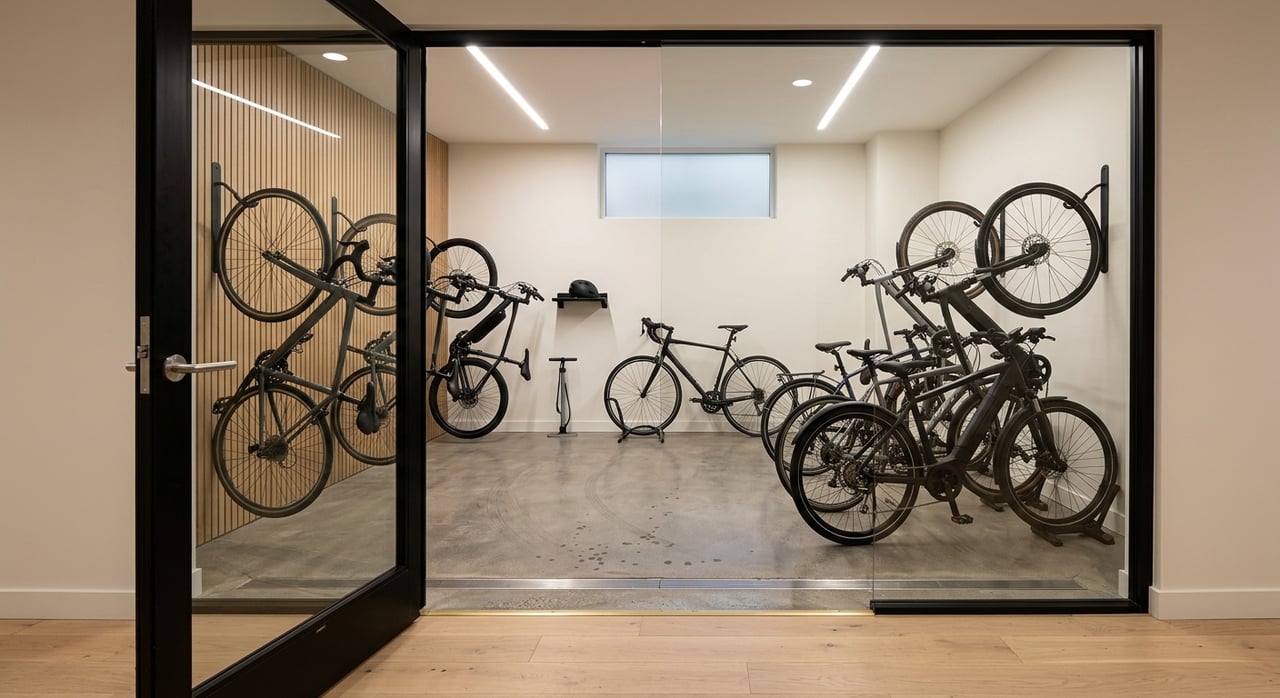
That kind of infrastructure matters because it can make bike trips feel more usable for regular errands and commuting. If you plan to ride often, the details of your building, such as bike storage or elevator access, can become just as important as the street network itself.
What Homes Support Car-Light Living Best
Not every home in Hayes Valley supports the same version of car-light living. The neighborhood’s housing mix and building features can make a big difference in how easy daily life feels.
Expect a mix of historic and multi-unit housing
San Francisco Planning says the Market-Octavia area is defined largely by Victorian-era flats and dwellings, along with commercial development and apartment buildings. That combination helps explain why Hayes Valley is well suited to a compact, urban lifestyle.
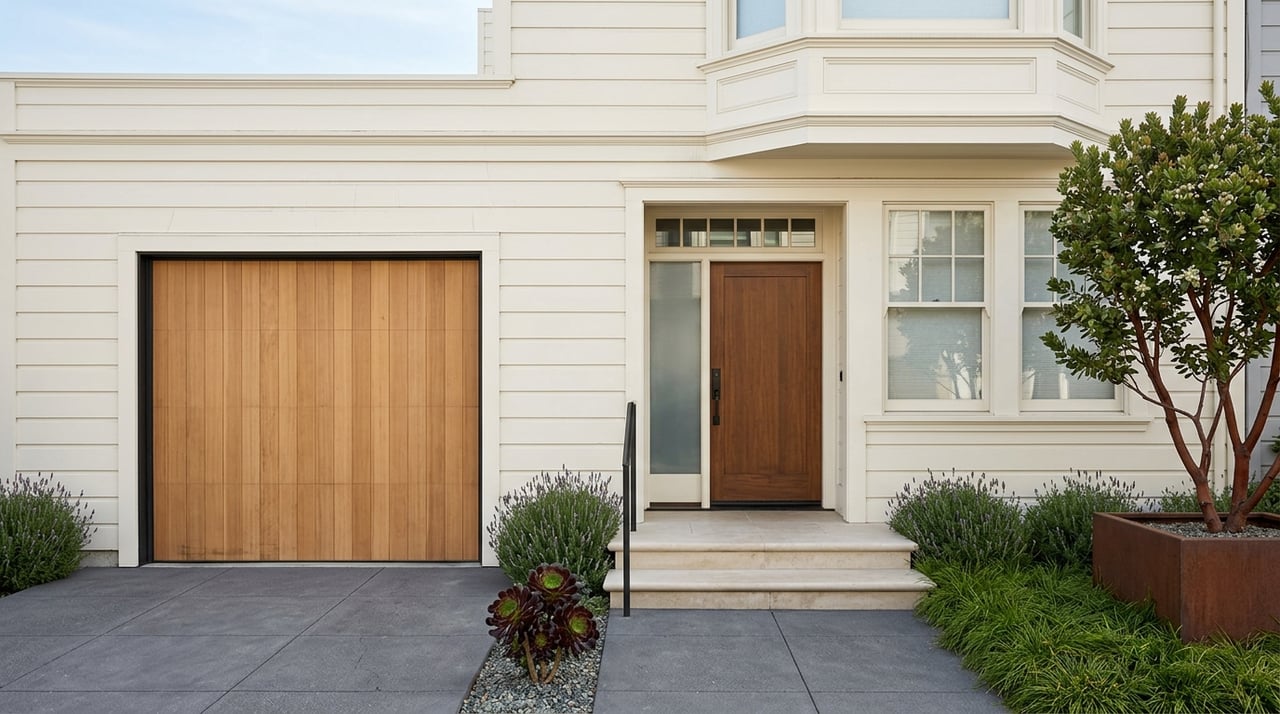
In practical terms, many buyers looking here are choosing between flats, condos, and apartment-style buildings rather than homes built around multiple-car convenience. That does not mean you cannot own a car. It means the neighborhood often works best when the car is optional rather than essential.
Amenities can make daily life easier
Recent listing examples in the neighborhood suggest that certain features often matter more in Hayes Valley than they might in a more car-dependent area. Common examples include deeded or garage parking, elevator access, bike rooms or bike storage, private storage, in-unit laundry, secure entry, roof decks, and in some cases on-site car share.
If you are comparing homes, think beyond square footage alone. A well-run building with bike storage, secure access, and practical storage space may support your lifestyle better than a larger home that makes every small errand feel harder.
Parking Is the Tradeoff
Here is the reality many buyers need to understand: Hayes Valley is easier to enjoy when you are comfortable using a car less often. Parking exists, but it is carefully managed rather than abundant.
SFMTA’s Hayes Valley Parking and Curb Management Plan created an expanded residential permit parking area, and on June 2, 2026, the SFMTA Board approved a further expansion of Pay or Permit parking across 68 blockfaces, with implementation expected in 2027.
Why parking feels competitive
SFMTA notes that Hayes Street is the commercial core of the neighborhood and a busy corridor for boutiques, restaurants, deliveries, rideshare pick-ups, loading zones, and bike traffic. That creates a lot of competing demand along a relatively compact main street.
For you as a buyer or renter, the takeaway is clear. Garage parking can be a premium amenity, and relying on street parking alone may not fit every household’s comfort level.
A car-light mindset usually works best
The neighborhood appears to be a strong match for people who mainly rely on walking, transit, and biking, or who use a car only occasionally. That conclusion lines up with the local transit network, bike infrastructure, shared-street programming, and parking policy.
If you know you will need to drive every day, Hayes Valley may still appeal to you, but your home search should be more specific. In that case, deeded or garage parking may move from a nice extra to a must-have feature.
How to Judge Fit Before You Move
The best way to evaluate car-light living is to match the neighborhood’s strengths to your actual routine. Hayes Valley can feel exceptionally convenient, but only if your habits line up with what it offers.
Ask yourself a few practical questions:
- Do you want to walk to dining, coffee, and small errands regularly?
- Are you comfortable using Muni for common trips?
- Would nearby BART and Muni Metro access help your work or social routine?
- Do you bike often, or want the option to?
- If you keep a car, do you want deeded or garage parking?
- Would bike storage, secure entry, or elevator access improve your day-to-day life?
For many buyers, the answer is not whether to own a car at all. It is whether you need to use it daily. In Hayes Valley, the neighborhood tends to reward people who can keep that answer closer to no.
If you are weighing Hayes Valley against nearby central San Francisco neighborhoods, this is where experienced local guidance matters. Building features, parking setup, and micro-location can change the feel of daily life more than a map alone suggests.
If you are exploring Hayes Valley and want a precise read on which blocks, buildings, and home features best support the way you actually live, Mollie Poe + Declan Hickey can help you evaluate the neighborhood with clarity and confidence.
FAQs
Is Hayes Valley a good San Francisco neighborhood for living without a car?
- Hayes Valley is one of the stronger neighborhoods in San Francisco for car-light living because it combines walkable daily errands, multiple Muni lines, nearby rail access, bike infrastructure, and managed parking that tends to favor households that do not rely on a car every day.
What public transit serves Hayes Valley in San Francisco?
- Hayes Valley is served by the 6 Hayes/Parnassus, the 22 Fillmore, the 49 Van Ness/Mission, and the F Market & Wharves nearby on Market Street, with access to Civic Center and Van Ness underground Muni Metro stations and nearby BART connections.
Is parking difficult in Hayes Valley?
- Parking in Hayes Valley is managed carefully and can be competitive, especially near the commercial core on Hayes Street, which is why deeded or garage parking is often an important amenity for buyers who plan to keep a car.
What home features help with car-light living in Hayes Valley?
- Features that often support car-light living in Hayes Valley include bike storage, secure entry, elevator access, private storage, in-unit laundry, and in some homes deeded or garage parking.
Are there shared-street events in Hayes Valley that affect traffic?
- Yes. SFMTA says Hayes Street between Gough and Octavia is closed every Friday and Saturday for the Hayes Valley Farmers Market & Shared Spaces event, with Muni rerouted during those hours and the program expected to continue through the rest of 2026.