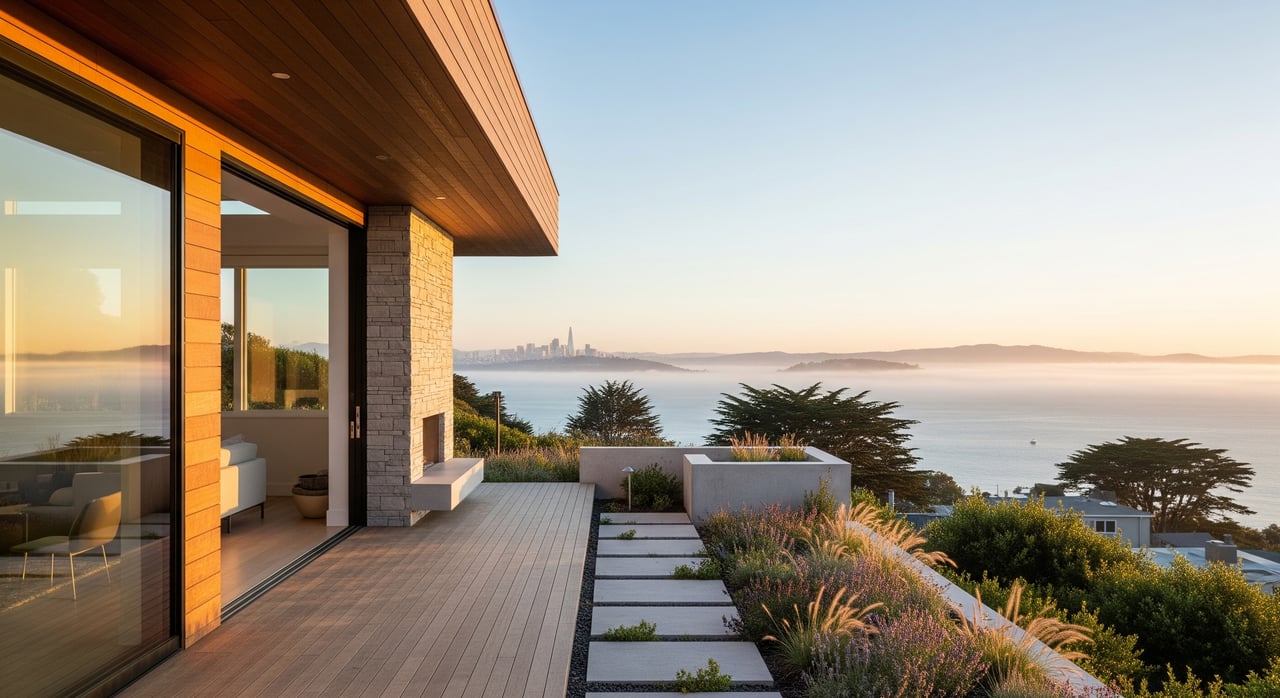
Buying or selling on the slopes above Dolores Park? In Dolores Heights, the weather on your specific block can change how you live day to day and how your home performs over time. You want sunny decks, manageable wind, and smart material choices that stand up to San Francisco’s coastal conditions. In this guide, you’ll learn how sun, fog, and wind patterns shape comfort, maintenance, energy use, and value in Dolores Heights, plus practical steps for buyers and sellers. Let’s dive in.
Dolores Heights microclimate explained
San Francisco’s microclimates are famous for a reason. Hills, slope direction, ocean fog, and street canyons all work together to create neighborhood-scale weather. In Dolores Heights, a few blocks of elevation and a slight change in orientation can be the difference between a sunlit terrace and a cool, fog-kissed yard.
Hills and slope aspect
Topography sets the baseline. South- and southwest-facing slopes tend to receive the most direct sun across the year, especially in winter when the sun angle is lower. North- and east-facing slopes are shaded more often and stay cooler and damper. On a hillside lot, even the way a deck turns a corner can change daylight and warmth by several hours.
Marine layer and winds
The Pacific marine layer often moves inland through gaps in the hills, then thins or burns off later in the day. You can explore how this works through the National Weather Service Bay Area’s overview of the marine layer and local sea breezes, which explains why mornings may start gray while late afternoons clear on the east side of the city (NWS marine layer explainer, NWS sea breeze overview). Ridges and street canyons can accelerate wind, so ridge-top sites feel breezier while protected mid-slope locations often feel calmer.
Urban warmth and small distances
The Mission and Dolores areas form warmer pockets relative to the ocean-facing western hills due to distance from the coast and the urban heat island effect. Elevation also matters. Rise 50 to 150 feet, or move a few blocks east, and you can see real changes in sun, fog frequency, and wind. Local climate data centers such as the Western Regional Climate Center provide station records that show how conditions vary across short distances in the city (WRCC regional data).
What it means for your home
Microclimate drives how you enjoy your home, how you maintain it, and what you pay for energy. Here is how it plays out in Dolores Heights.
Sunlight, daylight, and solar potential
Orientation is everything. South- and southwest-facing rooms are typically brighter and can feel warmer on clear days, while north-facing rooms often need more lighting and heat. Morning fog can reduce early solar production, but if afternoons clear, a south-facing roof can still deliver solid PV output. If you are evaluating solar, use the NREL PVWatts calculator to estimate production based on roof orientation and shading (PVWatts solar estimate tool).
Outdoor living and comfort
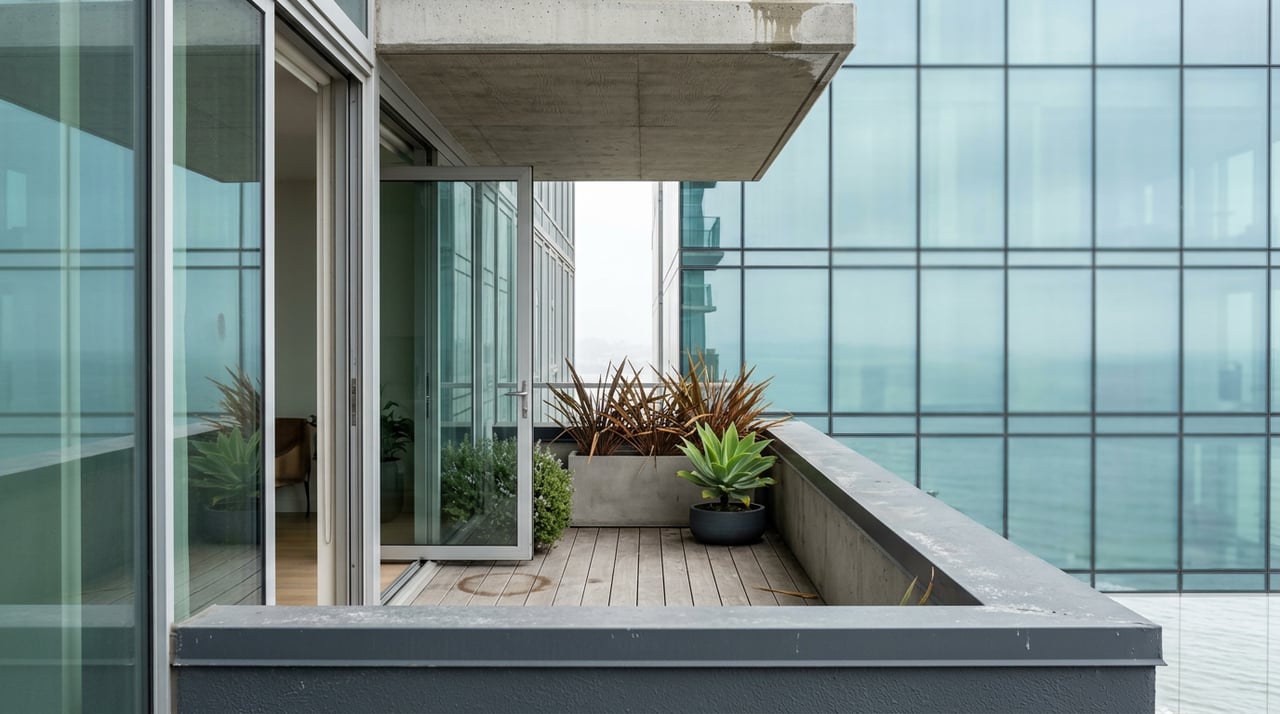
Usable hours on decks and terraces depend on sun and wind together. A south-facing terrace screened from prevailing westerlies usually offers the longest, most comfortable window. On exposed sites, consider wind screens, glass railings, or evergreen plantings to reduce gusts. Summer can be cooler and windier, while late summer and fall often bring the warmest, clearest afternoons in eastern neighborhoods.
Wind exposure, structure, and materials
Coastal moisture and wind accelerate wear. Exterior work should use corrosion-resistant metals, such as stainless steel or hot-dipped galvanized fasteners and marine-grade hardware. On wind-exposed slopes, verify secure roofing attachments, ridge capping, and flashing details to limit wind-driven rain intrusion. High-performance windows and tight-fitting exterior doors help control drafts on the windward side.
Moisture, mildew, and ongoing maintenance
Shaded and wind-sheltered areas, especially on north-facing walls and crevices, can collect moisture and invite mildew or moss. Good ventilation, vapor control, and right-sized insulation reduce condensation risk indoors. Choose breathable, mildew-resistant coatings outdoors and plan for more frequent touch-ups on fog-exposed facades. Keep gutters and downspouts clear to handle frequent light moisture and periodic heavy rains.
Landscape, drainage, and slope stability
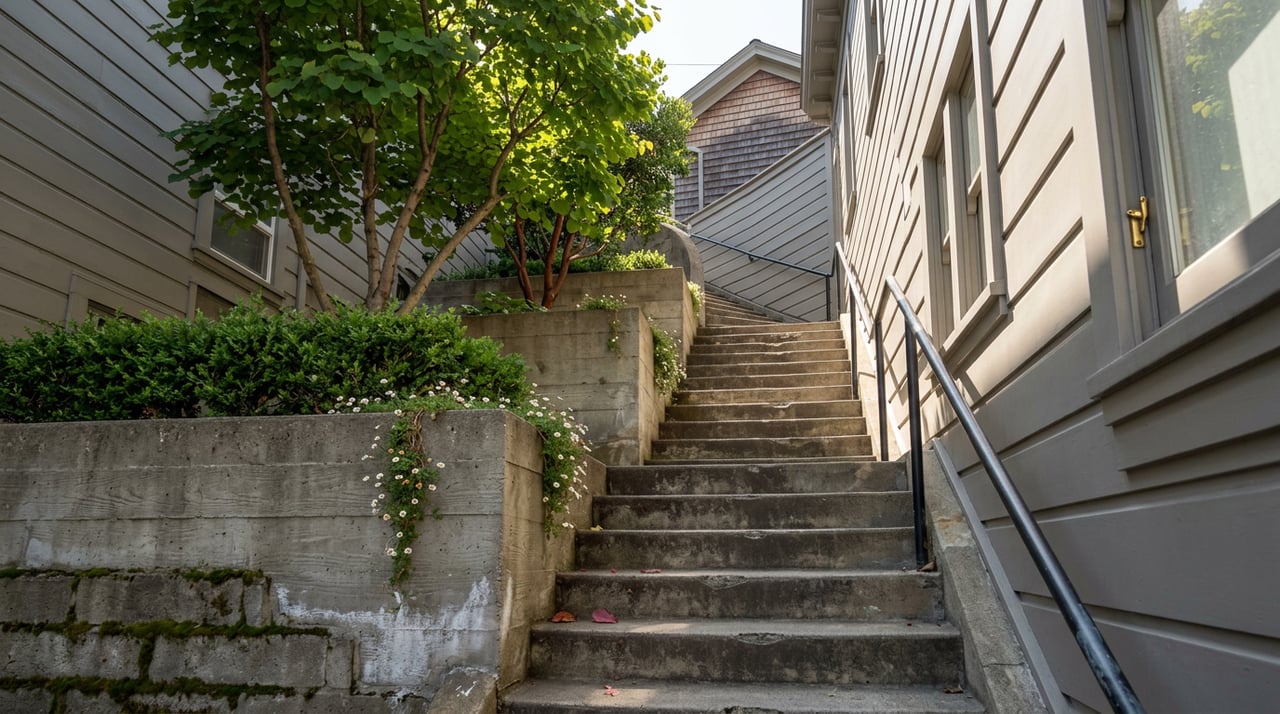
Steep lots demand smart drainage. Check for proper grading, well-detailed retaining walls, and foundation drains that direct water away from the structure. Planting should match micro-sites: fog-tolerant, drought-adapted species for sunny, exposed slopes, and shade-tolerant plantings for cooler pockets. Position trees and shrubs as windbreaks with care to avoid root pressure and slope instability.
Energy use and HVAC
Cooler, foggier exposures increase heating needs, while sunnier exposures may reduce heating but add late-day cooling load if you have extensive west-facing glass. Passive strategies matter: operable windows for cross-ventilation, sunshades on west windows, and well-sized insulation can improve comfort and reduce mechanical runtime.
How to evaluate a Dolores Heights property
A smart walkthrough reveals how a home performs in this microclimate. Plan at least two visits if you can.
Buyer microclimate walkthrough
- Visit at different times: morning, mid-afternoon, and evening, ideally on a foggy day and a clear day.
- Map the light: note which rooms and outdoor areas get direct sun, and when. Check window orientation.
- Feel the wind: stand on decks and at corners on a breezy afternoon. Notice gusts, eddies, and any whistling at doors or windows.
- Scan for moisture: look for mildew, moss, peeling paint, rusted fasteners, and water stains in eaves or soffits. Smell for dampness in basements or crawl spaces.
- Inspect roof and flashings: confirm secure flashing and wind-rated roofing where applicable. Look for corrosion on metal elements.
- Verify drainage and slopes: review downspout discharge, surface runoff paths, and retaining wall conditions.
- Check solar potential: evaluate roof orientation, shading from nearby structures or trees, and ask for any existing PV production records.
Seller strategy and presentation
- Use accurate, specific language: for example, “south-facing deck receives afternoon and evening sun in summer.” Avoid temperature claims.
- Share buyer-relevant detail: note hours of direct sun on main living areas or terraces and mention any wind-sheltering features.
- Disclose maintenance history: roof, paint, flashing, drainage, corrosion-resistant hardware, and any warranties.
- Document the light: provide time-stamped photos showing sun exposure at different times of day and season.
- Highlight upgrades that address local weather: wind screens, high-performance windows, improved ventilation, and irrigation suited to plantings.
Inspection and upgrade priorities
- High priority: roof and flashing inspection; verify drainage and grading; check foundations and retaining walls; identify persistent moisture or mold; assess exterior fasteners and metal components for corrosion.
- Medium priority: evaluate wind exposure for outdoor living and add wind screens or pergolas if needed; review insulation, ventilation, and window performance for drafts and condensation control.
- Value-adding upgrades: improve a south-facing deck with durable, low-maintenance decking and stainless fasteners; add simple sun and wind control like glass screens or adjustable shades; specify marine-grade exterior fixtures.
- Landscaping fixes: add erosion control, native or Mediterranean plantings that fit sun and fog patterns, and carefully sited evergreen windbreaks.
Seasonality and showing strategy
Expect more fog and wind influence in summer, with many afternoons clearing on the east side. Late summer and fall often bring the warmest, clearest conditions in Dolores Heights, which can make outdoor spaces shine. Time listing photos and showings to capture your best light, such as late-afternoon sun on a terrace. For buyers, schedule a late-day visit to confirm how decks and view rooms perform when the marine layer often retreats.
Sample listing language you can adapt
- “South-facing terrace receives direct afternoon sun in summer and fall.”
- “Private, sheltered garden with reduced wind compared with nearby ridge-top blocks.”
- “Recent exterior upgrades with stainless fasteners and new flashing to address coastal moisture exposure.”
- “Primary living level enjoys mid-afternoon light; bedrooms remain comfortably cool.”
- “Terraced landscaping with drainage and erosion control designed for hillside conditions.”
Work with a team that understands microclimate
In Dolores Heights, small details shape everyday comfort and long-term value. You want a team that knows which slopes catch afternoon sun, how wind behaves along different streets, and which upgrades deliver the best return. With a curated vendor network for roofing, drainage, exterior envelopes, and landscape, plus turnkey presentation through Compass Concierge, we can help you position your home precisely for this microclimate or evaluate a property with clear eyes.
If you are planning to buy or sell in Dolores Heights, connect with Mollie Poe + Declan Hickey for a confidential consultation and a microclimate-savvy plan.
FAQs
How does slope orientation affect comfort in Dolores Heights?
- South- and southwest-facing slopes usually get more direct sun and warmth, while north-facing slopes stay cooler and damper, which affects daylight, heating needs, and outdoor use.
What is the marine layer and why does it matter for my home?
- The marine layer is cool, moist ocean air that moves inland and often burns off later; it influences morning fog, afternoon clearing, and wind, which shape sun access and exterior wear (NWS explainer).
Does fog eliminate the value of rooftop solar in Dolores Heights?
- Not necessarily; morning fog can cut early production, but many afternoons clear, and a south-facing roof can still perform well, so run a site-specific estimate with tools like PVWatts.
Are ridge-top homes harder to maintain in this area?
- They can be, due to higher wind exposure that accelerates corrosion and stresses roofing, though they may also enjoy better views and sun, so plan for durable materials and secure attachments.
What simple upgrades improve outdoor comfort on a windy lot?
- Add wind screens or glass railings, adjustable shade structures, evergreen windbreaks placed for shelter, and durable decking with corrosion-resistant fasteners.