You want a skyline that shifts from sunrise to sparkling city lights, and a deck that actually gets sun. In Dolores Heights, that is possible, but buying a view home on a hill takes a smarter plan than a flatland purchase. In this guide, you will learn how to read views and microclimates, what inspections and permits matter most on a slope, how appraisals treat view premiums, and the best ways to compete for the right property. Let’s dive in.
Why Dolores Heights views stand out
Set on a central San Francisco hill just west of Dolores Park and south of the Castro, Dolores Heights borders Noe Valley to the south and Upper Market to the west. It includes parts of the Liberty Hill and Liberty Street historic districts, which feature significant Victorian and Edwardian housing stock. You can confirm neighborhood context in the city’s neighborhood list to understand the exact footprint and nearby areas you will frequent (San Francisco neighborhoods overview).
This hilltop setting is why many streets are steep, with stairways linking blocks, and why you see such prized outlooks here. Desirable views often include the downtown skyline, broad easterly panoramas over the Mission and the Bay toward the East Bay hills, and open sky over Dolores Park and Noe Valley. Local reporting frequently highlights Dolores Heights among San Francisco’s scenic hills and vantage points (Dolores Heights hill feature).
Microclimate matters. Being east of Twin Peaks typically means more sun and less wind than west‑of‑Peaks neighborhoods. Always test a home’s conditions at the times you plan to use its outdoor space so you can feel the difference on-site.
Orientation and daily comfort
How a home faces the sun affects everyday life. South and southeast exposures, along with decks that catch afternoon sun, deliver warmer interiors and more usable outdoor hours. West-facing exposures can run cooler and foggier. Orientation also changes how often you will enjoy the view from key rooms, which is part of the home’s real value to you.
The value of a view
Not all views are equal. Scope, depth, and where your eye lands matter, as do angle and glare. A full skyline sweep or long Bay outlook usually carries more weight than a narrow gap between buildings. Permanence also counts. If a tree or nearby roofline could grow or change, that risk can trim value.
Academic research shows that view premiums vary widely by view type and by market. In practice, there is no single, fixed percentage that applies to every home. The best way to judge value is to look at what nearby buyers paid for similar quality outlooks and settings over the past year.
Appraisers must support any view adjustment with market data. On unique hillside properties with few direct comparables, expect appraisal uncertainty. Many financed buyers plan for potential gaps between appraised value and contract price and use higher down payments or capped appraisal‑gap clauses to bridge the difference (how appraisers handle view adjustments).
Hillside due diligence that protects you
Permits, seismic zones, and soils
Start with the ground. California maps earthquake‑induced landslide and liquefaction zones. If a parcel sits in a mapped hazard zone, new construction or significant remodels can trigger site‑specific geotechnical studies. You can check any address with the state’s Seismic Hazard Zone tool (EQ Zapp).
San Francisco commonly requires soils and site information for hillside work and significant excavation. Plan for structural and geotechnical input, longer plan‑check timelines, and added consultant costs when projects involve slopes or retaining walls (SF building permit guidance). Work that touches the public right of way, like retaining wall footings near the sidewalk, can also require encroachment approvals. Factor that time into your budget.
Foundation and drainage red flags
Read the structure carefully. Look for cracked or offset foundation walls, uneven floors, patched shotcrete, or evidence of past underpinning. On hillside homes, a structural engineer’s review is a smart step, especially if you see signs of movement or know that major excavation has occurred (SF building permit guidance).
Drainage is just as important as concrete. Poor grading, downspouts that dump at grade, or retaining walls without proper backdrain systems can lead to hydrostatic pressure, movement, and failure. On steep sites, engineered retaining walls with correct drainage and backfill are the norm, not the upgrade. Regional contractor guides show how costs rise with wall height, engineering, and tricky access (retaining wall cost factors).
Inspections to order early
- Full general home inspection to assess systems and major components.
- Sewer‑lateral camera inspection, since repairs can be costly and timing can affect escrow in some Bay Area cities (sewer lateral basics).
- Termite and pest inspection for wood‑frame homes.
- Structural engineer evaluation if you see or suspect foundation, settlement, or retaining wall issues.
- Geotechnical report when sites are mapped in a seismic hazard zone or if your scope includes significant grading or additions.
- Roof, chimney, deck, and waterproofing checks, since hilltop exposure increases weathering.
Historic districts and exterior work
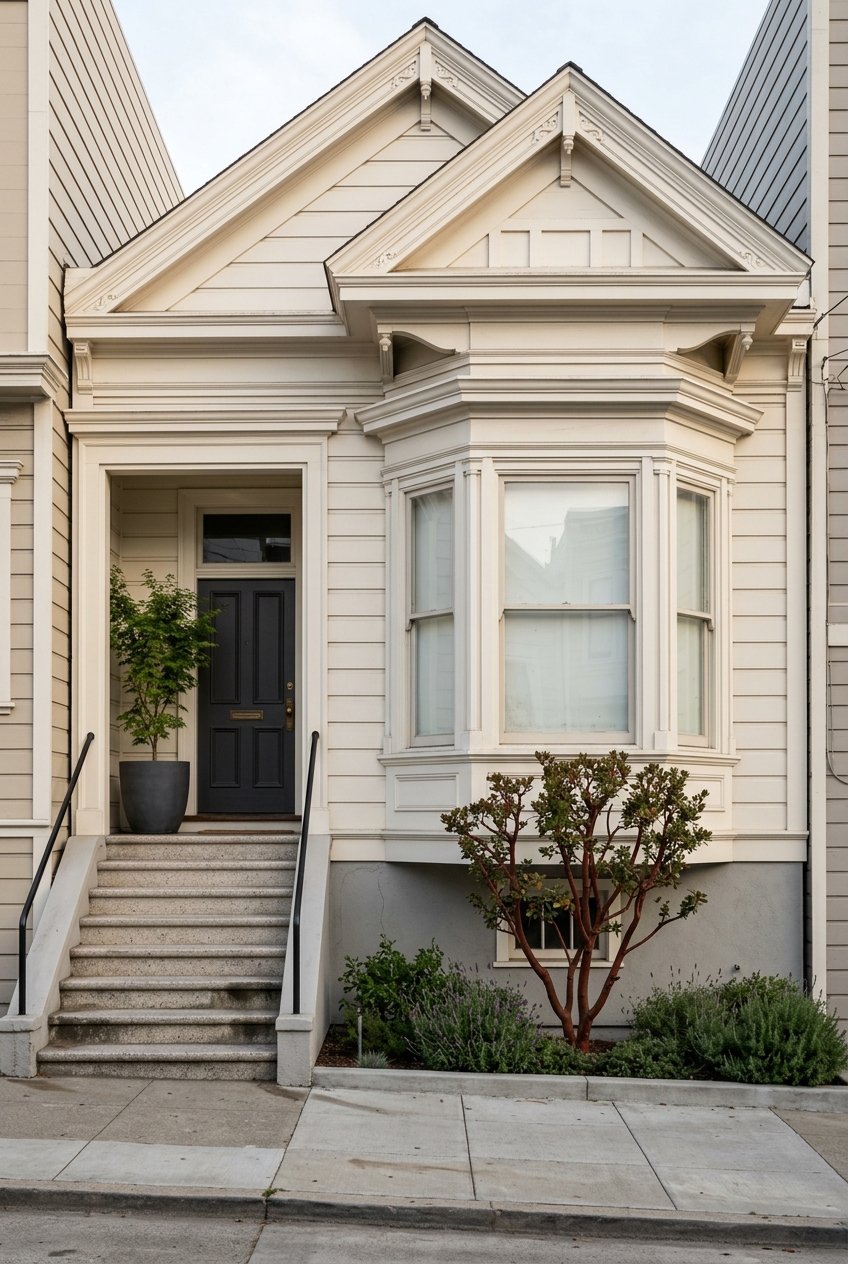
Dolores Heights includes parts of the Liberty Hill and Liberty Street Historic Districts. Many exteriors are Victorian or Edwardian, and visible facade changes can trigger preservation review. If you plan to alter the exterior, confirm the property’s historic status early and scope the review process in your timeline.
Renovation on a slope: scope, cost, and timing
Common hillside tasks include rebuilding or adding retaining walls, creating terraces, improving sub‑drains and French drains, and regrading driveways or stairs. These projects require engineering and permits, and labor costs can climb with limited access on narrow, steep lots (retaining wall cost factors).
Ballpark ranges vary by site. Simple garden walls cost far less than engineered structural walls on tight hillside sites, which can run into the tens of thousands. Foundation stabilization or underpinning often falls in the low to mid five‑figures for typical residential scopes, with hillside conditions pushing higher. Get a structural engineer’s scope and multiple bids before you budget (underpinning overview and ranges).
Expect added time for geotechnical and structural plan review. If the work touches the public right of way or sits within a historic district, add review steps to your calendar. Build realistic allowances for design, engineering, permits, and potential neighbor coordination.
Financing and insurance on hillside view homes
Because view adjustments must be supported by sales data, appraisals on unique homes can come in below contract price. If you are financing, talk with your lender about pre‑underwriting, appraisal‑gap strategies, and down payment flexibility so you can move fast and protect your deal when you find the right fit (how appraisers handle view adjustments).
Standard homeowners insurance typically excludes earthquake and many forms of earth movement. In California, earthquake coverage is available through the California Earthquake Authority and private carriers. The CEA offers retrofit discounts and options for code‑upgrade coverage, which can be meaningful for hillside structures. Review coverage options and retrofit incentives early in your process (earthquake insurance basics).
How to compete for a Dolores Heights view home
- Be fully underwritten, not just pre‑approved. Sellers prize certainty, and underwriting reduces financing risk.
- Do targeted pre‑offer checks when feasible. A quick sewer camera and a brief structural walk can help you write a cleaner, faster offer.
- Package your offer for clarity. Show strong proof of funds, set a short inspection period or a capped repair credit, and match the seller’s ideal closing or rent‑back.
- Plan for appraisal. Assemble recent comps for similar hillside or view homes and highlight upgrades or pre‑inspection findings that support value.
- Manage risk with intent. If you tighten contingencies, reserve funds for unknowns, confirm seller disclosures, and negotiate credits for known issues.
Quick buyer checklist
- Confirm the property’s location within Dolores Heights and whether it lies in a historic district.
- Check California’s EQ Zapp to see if the parcel is mapped for landslide or liquefaction. Budget for soils and structural engineering if needed.
- Ask for permit history and any contractor or engineer reports on past retaining or foundation work. Verify with city records.
- Order a sewer‑lateral camera and a general home inspection early if you are serious about the home.
- If you plan exterior changes, confirm preservation review triggers and add time for permits.
- Prepare financing with full underwriting and plan for possible appraisal gaps on premium view properties.
The bottom line
Buying a view home in Dolores Heights blends art and science. You are evaluating outlook quality and daily comfort while managing hillside design, permits, and appraisal realities. With the right plan and a disciplined team, you can secure a home that delivers the sun, sky, and city moments you imagine. For tailored guidance and a quiet, concierge process from offer through closing, connect with Mollie Poe + Declan Hickey.
FAQs
How does the Dolores Heights microclimate compare to other SF hills?
- Being east of Twin Peaks often means sunnier, calmer days than west‑of‑Peaks neighborhoods, but you should test conditions at different times to confirm how a specific home lives.
What inspections are nonnegotiable for a hillside home in San Francisco?
- Start with a general home inspection, sewer‑lateral camera, and termite report, then add a structural engineer review and, if mapped in a seismic hazard zone or planning slope work, a geotechnical report.
Do I need a geotechnical report to add a deck on a sloped lot in Dolores Heights?
- If the site is in a mapped landslide or liquefaction zone or if the project involves significant grading or new foundations, expect soils and structural input and plan‑check review before permits are issued.
How do appraisers value skyline views in SF?
- Appraisers compare recent sales and support any view premium with data; because hillside view homes are unique, buyers using loans often plan for possible appraisal gaps and structure offers accordingly.
What do retaining walls typically cost on steep sites?
- Costs vary by height, engineering, drainage, and access; simple walls are far less than engineered hillside walls, which can run tens of thousands of dollars on complex sites.
Does homeowners insurance cover earthquakes or landslides in San Francisco?
- Standard policies usually exclude earthquake and many earth‑movement risks; separate earthquake coverage is available in California, and retrofit discounts may apply.