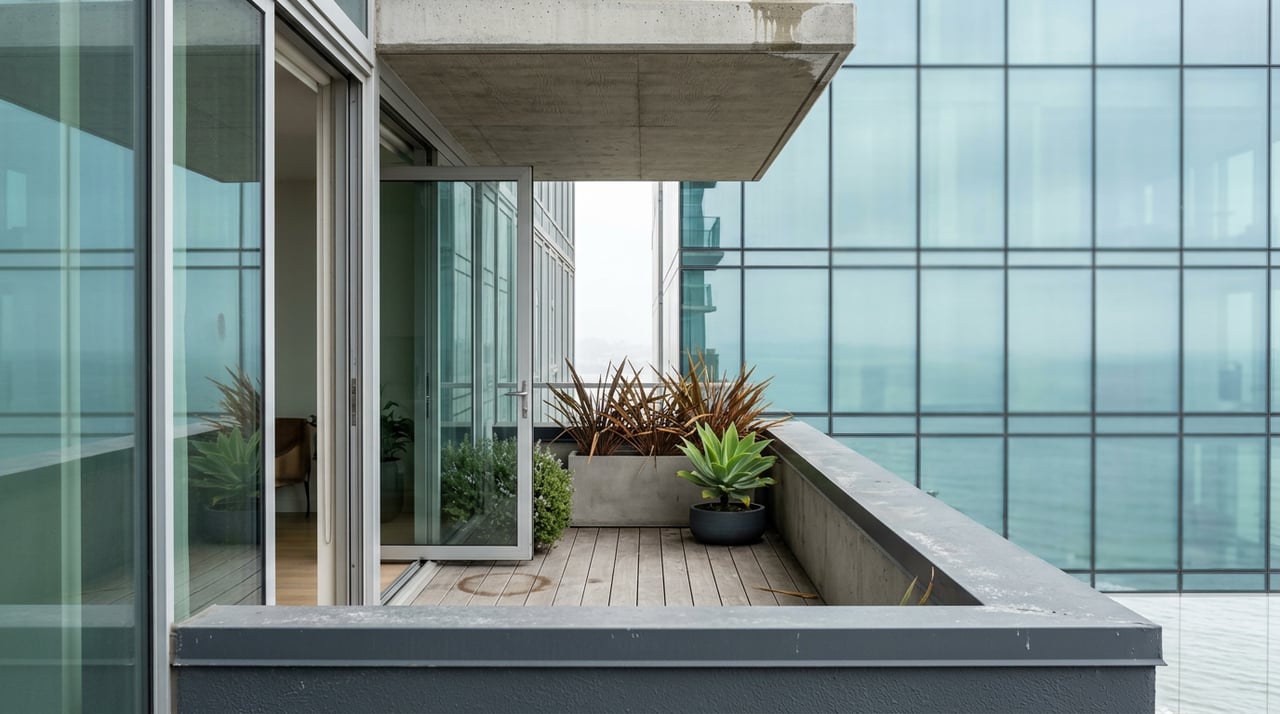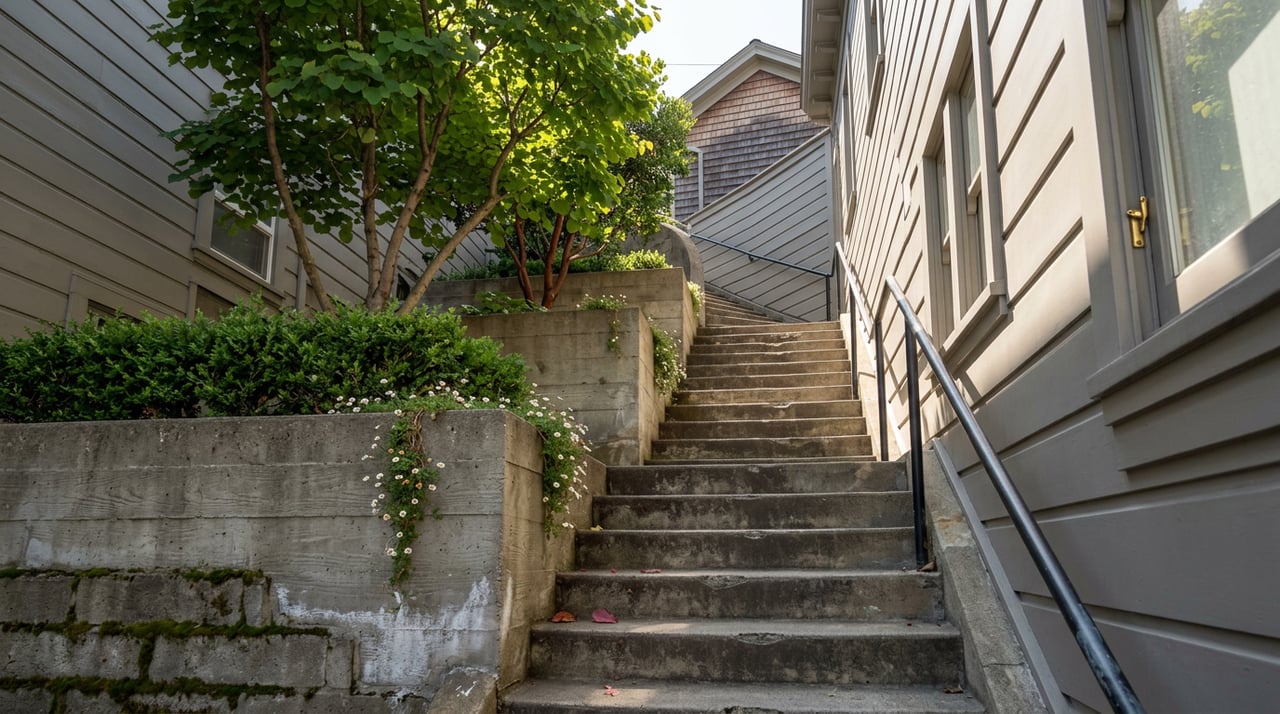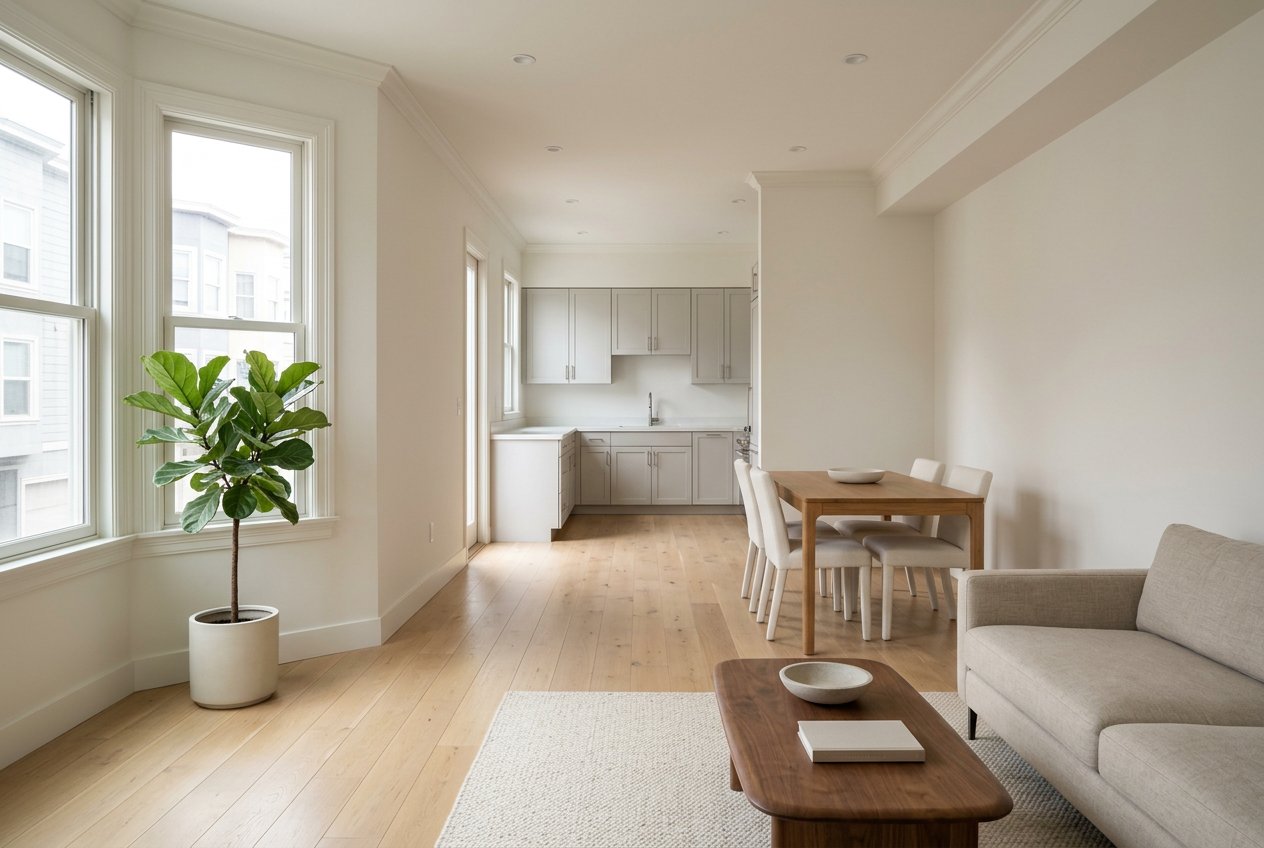
You only get one first impression online. In the Marina, buyers often decide whether to book a showing within seconds of seeing your photos and 3D tour. If you want a premium offer, your home needs to look turnkey, feel bright and airy, and showcase its best assets clearly. In this guide, you’ll learn exactly how to prep a Marina District home for a top-tier sale, from smart staging and quick cosmetic updates to disclosures and timelines. Let’s dive in.
Understand Marina buyer priorities
Marina buyers compare listings fast and expect clean, design-forward spaces that photograph beautifully. Natural light, any bay or bridge outlooks, outdoor access, and secure parking are major differentiators. Strong listing media and polished presentation help you rise to the top of a crowded online feed. According to the National Association of REALTORS®, buyers’ agents rank photos, in-person staging, video, and virtual tours as key elements that influence showings and offers.
What moves the price needle
- Focus on visual wins first. Fresh paint, lighting, decluttering, and targeted staging make the biggest near-term impact. NAR’s 2025 staging profile reports a median staging spend of about $1,500 and finds staging often reduces days on market.
- Refresh, do not gut. Opt for light kitchen and bath updates that photograph well. Use regional Cost vs. Value data to judge bigger remodels.
- Elevate curb appeal. Powerwash, tidy the stoop or shared entry, add planters, and clean up garage or parking areas.
- Confirm the fundamentals. If permits or structural items are relevant, address or disclose early to protect value.
Stage the right rooms
Staging helps buyers visualize how to live in the space and can raise offers. NAR reports that about 29% of agents saw offers increase by 1 to 10 percent and about half observed shorter time on market. Prioritize the living room and the primary bedroom first. Use a neutral palette, edit accessories, and highlight period details like moldings and built-ins so the home reads warm yet refined on camera.
Fast staging tips
- Float furniture to create clear pathways and long sightlines.
- Add scale-appropriate rugs and a minimal art mix to define spaces.
- Use cohesive bedding and lamps in the primary bedroom. Keep nightstands clear.
- Remove excess items from closets and stage with a few matching bins.
Make light and views sell
Light is a Marina asset. Remove heavy drapery, clean windows inside and out, and replace burnt bulbs with daylight-balanced LEDs. Trim plants that block windows and add mirrors sparingly to bounce light. If you have outlooks toward the bay, bridge, or Palace of Fine Arts, plan one or two hero photos to showcase them and note the orientation accurately in your marketing copy.
Kitchen and bath refreshes that work
Skip full-scale demo unless comps demand it and the numbers pencil. Instead, focus on quick, high-impact changes:
- Paint or reface cabinet doors and add modern hardware.
- Swap dated lighting for simple, warm-white LED fixtures.
- Replace a worn countertop or add a clean backsplash.
- Re-caulk, regrout, and install a new mirror or vanity light in baths.
Use Cost vs. Value to decide if a larger project is likely to return your investment.
Curb appeal and shared entries
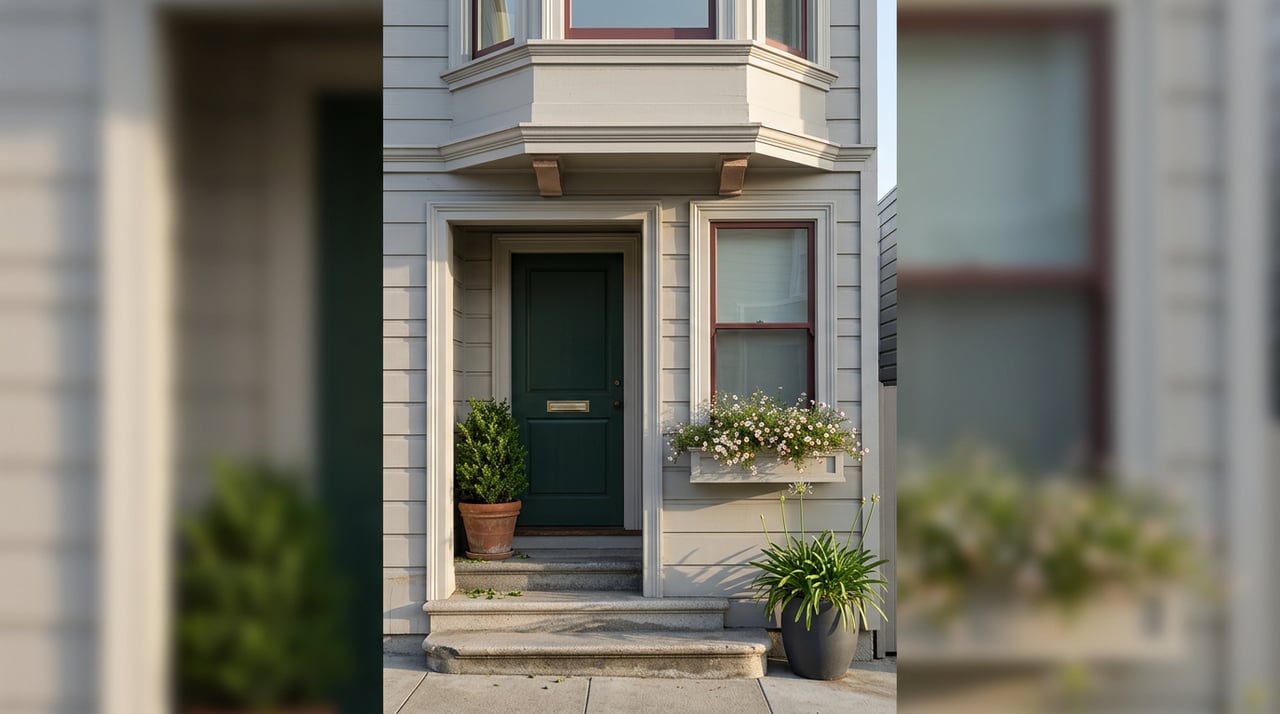
Your front approach sets the tone. Powerwash the walkway, polish or replace door hardware, and add simple planters with fresh greenery. If you have a garage, clear the floor, add bright LED bulbs, and organize storage so parking photographs well. A tidy mail area and clean stairwell make multifamily buildings feel cared for.
Listing media that drives traffic
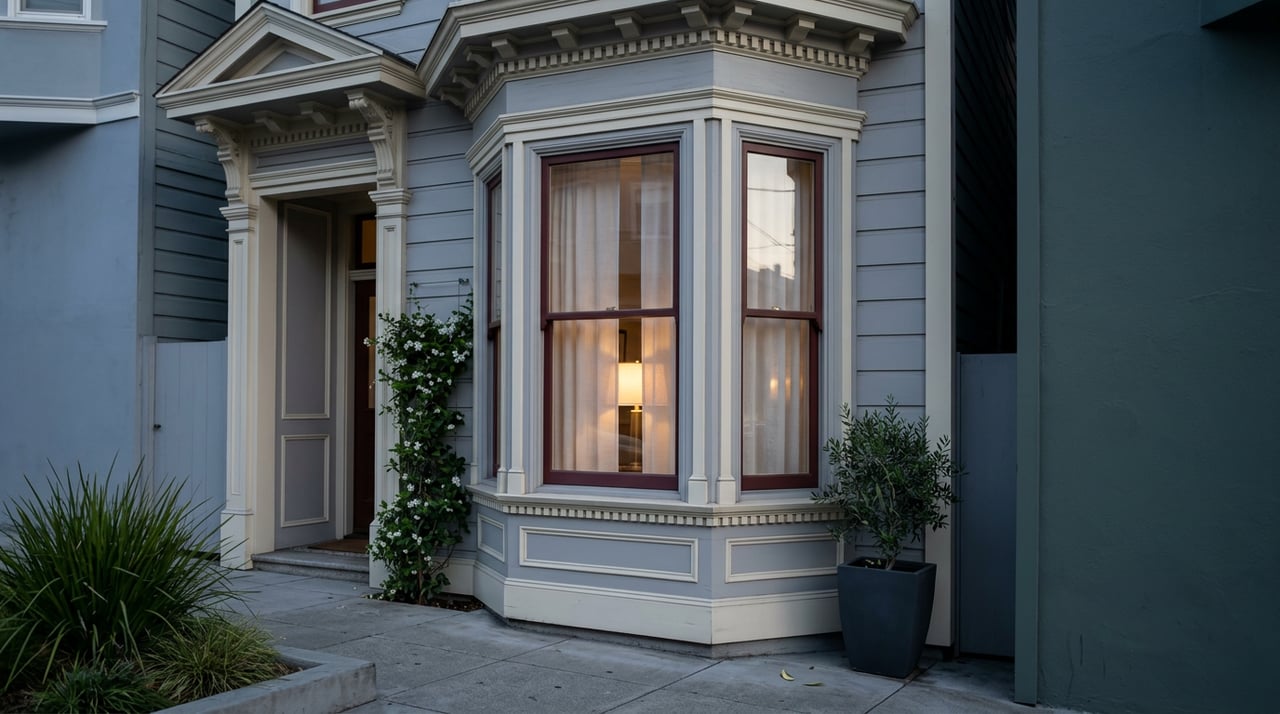
Invest in professional photography and a 3D tour. Buyers value these assets, and they help your listing stand out in searches. Many Marina shoppers are busy professionals who preview homes virtually. Schedule media after staging and touch-ups so everything appears crisp. Consider a twilight exterior and one lifestyle image that hints at proximity to Marina Green or the Presidio if relevant. If your agent offers it, add a Matterport scan or similar 3D tour platform for deeper engagement.
Concierge options and vendors
If you are short on time, consider a pre-listing concierge approach. Firms like Curbio coordinate design, trades, and permits with pay-at-closing options in certain cases. Always ask for local references and a clear timeline. For individual trades such as painting, flooring, or electrical, marketplaces like Angi can help you collect multiple bids quickly. For multi-trade scopes or any permitted work, hire a San Francisco general contractor who manages DBI permitting and provides proof of licensing and insurance.
As a boutique team, we frequently coordinate Compass Concierge and trusted vendors so you can move from consultation to market efficiently, without handling every detail yourself.
Timelines that fit your goals
- Quick prep 1 to 2 weeks. Declutter, deep clean, paint touch-ups, lighting swaps, and focused staging, then photos and list. NAR’s research supports staging and strong visuals when speed is key.
- Moderate prep 2 to 6 weeks. Add kitchen and bath refreshes, exterior tidy, and a permit check. A concierge model can compress the schedule.
- Major work 6+ weeks. Only pursue when comps and a cost vs. value analysis justify the scope. Longer timelines can erode momentum, so weigh tradeoffs carefully.
Permits, disclosures, and seismic realities
In California, sellers must deliver a Transfer Disclosure Statement and a Natural Hazard Disclosure. Provide these early and organize permits and receipts for past work. See a practical overview of required disclosures in this California real estate practice summary.
Much of the Marina sits on artificial fill and parts of the neighborhood have liquefaction susceptibility. These hazards are typically covered in the NHD. Learn more from this overview of Bay Area liquefaction zones and mapping in SFGate’s summary. If your property is in a multi-unit wood-frame building, confirm status under San Francisco’s Mandatory Soft Story Retrofit Program. Disclose any known unpermitted work and HOA details such as assessments or upcoming projects. Clarity protects value and reduces late-stage renegotiation risk.
Your Marina pre-list checklist
- Gather records. Collect permit history, repair receipts, HOA documents, and any prior inspection reports. Provide them to your agent early.
- Align on strategy. Define target buyer profiles, pricing band, and a staging and media plan supported by NAR’s staging insights.
- Week 0 to 1. Declutter, deep clean, touch up paint, fix loose hardware, and complete a professional staging consult.
- Week 1 to 2. Install staging, capture pro photos and a Matterport-style 3D tour, and finalize copy that highlights light, outlooks, outdoor access, and parking specifics.
- If renovating. Hire a GC or a concierge partner such as Curbio, confirm permits, and schedule work to finish before photography.
- Disclosures. Prepare and deliver TDS and NHD per California timelines using a clear, organized package. Reference this overview of required disclosures.
A crisp plan, strong visuals, and thorough documentation position your Marina property to command attention and premium offers. If you want a calm, curated process with vetted vendors and Compass Concierge support, connect with Mollie Poe + Declan Hickey for a confidential consultation.
FAQs
Is staging really worth it for a Marina sale?
- Yes; NAR’s 2025 report shows staging often shortens time on market, with about 29% of agents seeing offers rise 1 to 10 percent and a median spend of about $1,500 when using a staging service.
Which rooms should I stage first if I am on a budget?
- Focus on the living room and the primary bedroom, then the kitchen as needed since these spaces carry the most weight in photos and showings.
Should I remodel my kitchen before selling in the Marina?
- Only if local comps and a Cost vs. Value analysis support it; quick refreshes like cabinet paint, new hardware, and lighting typically deliver better speed-to-market.
Do I need to disclose liquefaction or soft-story issues?
- Yes; liquefaction susceptibility is usually included in the NHD, and multi-unit buildings may be subject to San Francisco’s Mandatory Soft Story Retrofit Program, both of which should be disclosed.
What listing media should I invest in to reach premium buyers?
- Book pro photography and a 3D tour, and schedule them after staging; buyers’ agents rank photos, staging, and virtual tours among the most important listing elements.