Shopping in Hayes Valley and confused by wildly different HOA fees for similar homes? You are not alone. Between boutique mid‑rises, older Victorian walk‑ups, and TICs, what you pay each month can vary a lot. This guide breaks down what fees typically include, how to read budgets and minutes, and how to compare buildings beyond the sticker price. Let’s dive in.
Hayes Valley buildings at a glance
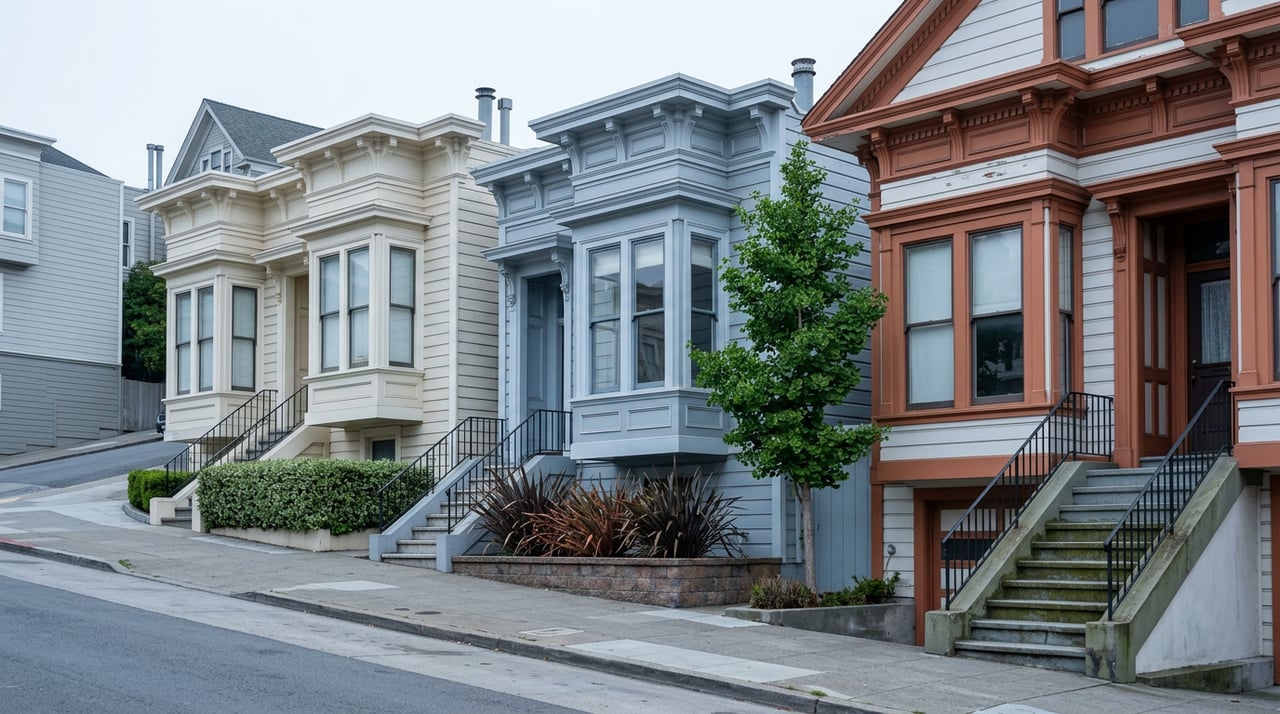
Hayes Valley mixes newer low‑ to mid‑rise condo buildings with older Victorian and Edwardian walk‑ups. You will also see tenants‑in‑common (TIC) properties, especially in small conversions. The systems and amenities in each building type drive monthly costs.
Condominiums are governed by formal documents and a board. They have regular HOA fees and often use professional management. TICs rely on a private co‑ownership agreement to share costs. They may operate like an HOA but can handle reserves and governance differently.
In San Francisco, older buildings and local safety and retrofit standards raise long‑term capital needs. Limited parking and strong amenity demand also shape what is included in your fee.
What HOA fees typically cover
Operating expenses
- Common‑area utilities. Water, sewer, trash and recycling, gas for shared systems, and electricity for hallways, lobbies, and elevators. Some buildings include certain utilities for units, while others bill those separately.
- Janitorial and cleaning. Hallways, lobbies, and shared laundry rooms.
- Landscaping and exterior care. Courtyards, plantings, and roof deck upkeep.
- Elevator service. Inspections, service contracts, and annual testing.
- Building systems. Boiler and heat, common HVAC, fire alarm and sprinklers, pest control.
- Trash and recycling hauling. In San Francisco, service is typically provided under the city’s program, with the HOA paying for building service.
- On‑site staff and management. Concierge or building super salaries, or monthly fees for professional management and bookkeeping.
- Insurance premiums. Master property and liability coverage for the association’s common areas. Owners usually carry their own HO‑6 or unit policy.
- Administrative costs. Accounting, legal, bank fees, meeting expenses, and communications.
- Small repairs and supplies. Light bulbs, paint touch‑ups, locks, and weatherstripping.
Reserve funding
- Capital reserves. Regular contributions to a savings fund for large components such as the roof, exterior paint, siding, boilers, elevators, windows, parking structures, decks, and seismic projects.
- Reserve studies. In California, industry practice and the Davis‑Stirling framework encourage associations to evaluate reserves through a study and plan contributions. Underfunded reserves increase the risk of future special assessments.
Insurance and liability
- Master insurance. Coverage usually includes common areas and the building shell, plus association liability. Pay attention to coverage limits and deductibles because large deductibles can shift costs to owners after a loss.
- Workers’ compensation. Required if the association employs on‑site staff.
Utilities and pass‑throughs
- Included vs separate. Some associations include water, sewer, trash, or even heat in the monthly assessment. Others only cover common‑area utilities. Bulk internet, cable, EV charging, or parking electricity may appear in the fee or as add‑ons.
Amenities and services
- Security and access. Cameras, intercoms, controlled entry.
- Shared spaces. Rooftops, courtyards, gyms, bike rooms, storage lockers, and garage maintenance.
- Laundry facilities. Shared room upkeep and equipment.
Taxes and assessments
- Association obligations. HOAs do not pay your property taxes. They may pay taxes on common‑area parcels or association‑owned units, and they may handle local special district charges that affect the property.
Special assessments
- Extraordinary expenses. If reserves are short or a major repair is unexpected, the association may levy a special assessment or borrow funds to complete the work.
TIC specifics
- Shared costs by agreement. TIC payments often cover utilities, building insurance, cleaning, and basic maintenance. TICs are commonly owner‑managed, and formal reserve funding or professional management can be limited. Review the co‑ownership agreement to see how capital repairs are handled.
How to read budgets, reserves, and minutes
Key documents to request
- Current year operating budget with line items
- Most recent reserve study or reserve analysis and contribution schedule
- Balance sheet, income statement, and bank statements if available
- Delinquency report showing owners who are behind
- Board meeting minutes for the past 6 to 12 months
- CC&Rs, bylaws, rules and management contract
- Insurance certificate with coverage limits and deductibles
- List of pending capital projects and any approved special assessments
- Contractor bids or invoices for major items such as roof, elevator, or seismic work
- Any association loan agreements
- For TICs, the co‑ownership agreement
How to interpret key line items
- Operating vs reserves. Operating covers recurring costs. Reserves fund long‑lived components. A healthy budget supports both.
- Reserve study gap. Compare recommended reserve contributions to actual. A large gap signals risk of future assessments.
- Delinquency rate. A high percentage of owners behind on dues strains cash flow and increases risk.
- Management fees. Professional management is common. Review the contract for services included, fee increases, and termination terms.
- Insurance deductibles and gaps. High deductibles or low limits increase owner risk. Check if earthquake coverage exists and how the board plans for seismic risk.
- Assessment history. Frequent special assessments point to underfunding or aging systems.
- Legal expenses. Recurring high legal fees can indicate disputes or compliance issues.
Red flags to watch
- No recent reserve study or reserves near zero
- Large fee increases without a clear, documented reason
- Significant repairs disclosed in minutes but not funded in reserves
- Insurance with high deductibles or limited structural coverage
- High delinquency or repeated special assessments
- Management contract with hidden fees or steep escalation clauses
Questions to ask
- When was the last reserve study, and when is the next one planned?
- What capital projects are expected in 1 to 3 years, and how will they be funded?
- What services and utilities are included in the monthly assessment?
- What is the current delinquency percentage and the collection policy?
- Who handles maintenance and vendor contracts, and how long are those contracts?
Hayes Valley factors that affect fees
- Seismic and retrofit needs. San Francisco has retrofit programs that can require soft‑story and other upgrades. These projects are major expenses and can drive reserve contributions or special assessments.
- Building age. Many local buildings are older, with roofs, windows, plumbing, and electrical nearing replacement. Expect higher capital planning needs.
- Parking costs. Parking is limited. Some buildings charge separate parking fees. Repairs to underground or structured parking are costly and must be part of reserve planning.
- Utilities and providers. Local hauling and utility contracts, including trash and recycling service, shape recurring costs. Bulk cable or internet agreements can increase fees but reduce your separate monthly bills.
- Permitting and consultants. City permit fees and longer timelines can raise project budgets. Associations should include consultant and permit costs in planning.
- Amenity expectations. Rooftops, modern lobbies, and high‑quality finishes are popular in Hayes Valley. They add value and increase maintenance and long‑term replacement costs.
- Lending scrutiny. Lenders review HOA documents. Underfunded reserves, pending assessments, or high delinquency can complicate mortgages. TIC financing is typically more challenging than condo financing.
How to compare buildings beyond the fee size
Normalize for scope
Do not compare raw monthly numbers. Look at what the fee covers and consider any add‑ons like parking, internet, and utilities. A quick approach is to compare fee per usable square foot or fee plus expected separate costs.
Reserve health matters
A higher fee with strong reserves can be safer than a low fee with no savings. Review the reserve study, current reserve balance, and contribution levels against recommendations.
Building size and amenities
In smaller boutique buildings, each owner covers a larger share of big repairs. A modest fee today can still lead to a large special assessment later. More amenities usually mean higher current costs and larger future replacements.
Buyer checklist
- Current budget and year‑to‑date financials
- Reserve study and current reserve balance
- Minutes for the last 12 months
- Master insurance certificate and deductibles
- List of current or pending projects, with any approved or proposed assessments or loans
- Delinquency report and management contract
- CC&Rs, bylaws, house rules, and for TICs the co‑ownership agreement
Red flags to investigate
- No reserve study or very low contributions
- Unexplained spikes in legal expenses
- Frequent or recent special assessments
- High insurance deductibles and no earthquake plan in a seismic area
Offer strategies
- Make recent minutes and financials part of your contingencies.
- If a pending assessment is disclosed, clarify who pays at closing and negotiate accordingly.
- Ask the seller to credit for identified repairs or contribute to reserves.
- For TICs, confirm how capital decisions and cost shares are handled in the agreement.
The bottom line
In Hayes Valley, HOA fees reflect the building’s age, systems, amenities, and financial stewardship. When you read the budget, study the reserves, and review the minutes, you can see if the fee is buying stability or deferring problems. A careful comparison will help you focus on long‑term value, not just the monthly number.
If you want a clear read on a specific building’s finances, connect with our team. We review budgets and reserve studies every week and can help you navigate condo and TIC nuances with confidence. Reach out to Mollie Poe + Declan Hickey to Request a Confidential Consultation.
FAQs
Do HOA fees in Hayes Valley pay my mortgage or taxes?
- No. HOA fees cover building expenses like maintenance, insurance for common areas, included utilities, management, and reserves. You pay your mortgage and property taxes separately.
Why do HOA fees vary so much between similar Hayes Valley buildings?
- Inclusions, building size, staff, reserve strategy, age and condition, and amenity levels drive differences. Smaller buildings and richer amenities often mean higher costs per owner.
Are reserves mandatory for San Francisco condo HOAs?
- Associations are expected to consider reserve funding, and many commission reserve studies. A lack of reserves raises the chance of special assessments in the future.
Will I be liable for special assessments in a Hayes Valley condo?
- Usually yes. If reserves or borrowing cannot cover major repairs, associations can levy assessments on owners. Review CC&Rs and minutes for history and planned projects.
How do TIC monthly payments differ from condo HOA fees in Hayes Valley?
- TICs use a co‑ownership agreement to share expenses and may not have formal reserves or professional management. Outcomes depend on owner coordination and the agreement’s terms.
What utilities are commonly included in San Francisco condo HOA fees?
- Many include water, sewer, and trash or recycling for the building. Some include heat or bulk internet. Others only cover common‑area utilities, with in‑unit services billed to owners.