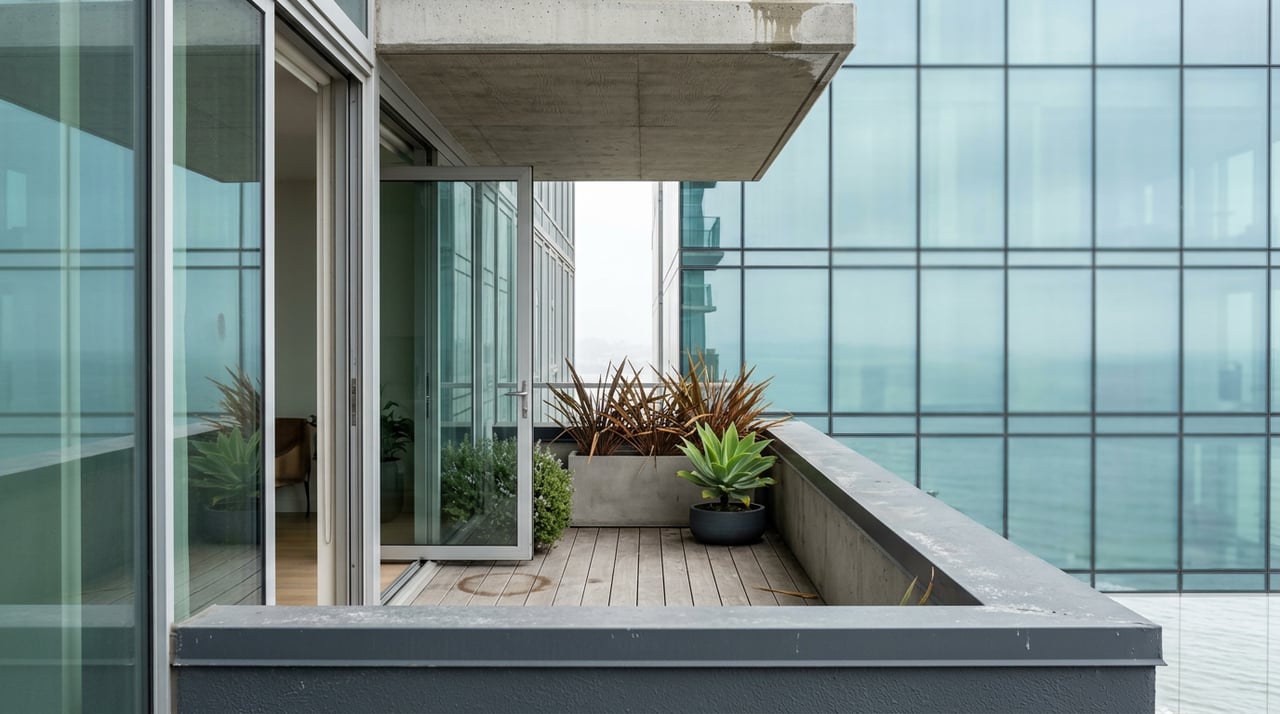
By 6 a.m. on the docks at South Beach Harbor, someone is already checking the air dancer. Not for a car dealership grand opening, but because a sea lion tried to haul out on a neighbor's swim step overnight, and the inflatable tube dancer, along with a bucket and something called a seal stop, is standard harbor equipment this time of year. If you live in one of the glass towers above Delancey Street or Beale, you have probably never thought about any of this. But it is happening below you right now, and it says something true about the neighborhood that the skyline does not.
South Beach gets described the same way in almost every guide: modern high-rises, Salesforce and Google offices nearby, walking distance to Oracle Park. All of that is accurate. None of it explains why August here runs on a different clock than the rest of downtown.
The Wildlife Season Nobody Puts on a Postcard
The Port of San Francisco, which operates South Beach Harbor, states plainly that sea lions are part of the harbor environment year-round but are more active and visible from May through August. That window is not a rounding error. It means the peak of sea lion activity lines up almost exactly with the peak of tourist season, the peak of Giants home games, and the peak of foot traffic along the Embarcadero.
The harbor's response is practical rather than sentimental. Berth holders can request seal stops or buckets from the harbor office, sometimes with a refundable deposit, and they are responsible for maintaining whatever deterrent they install. This is not a novelty for visitors. It is a recurring, budgeted operational task for the people who keep boats here, the same way other neighborhoods deal with street sweeping schedules or leaf blower ordinances.
If you walk the Embarcadero running path or the Bay Trail connection past Pier 40 in the next two weeks, look at the dock edges. The tubes and buckets you see are not decoration. They are the harbor doing seasonal maintenance on a wildlife population that treats South Beach as a rookery, not a residential amenity.
Where the Splash Hits Actually Land
The same water that the harbor is managing is the water that makes McCovey Cove famous. When a Giants left-handed hitter connects on a home run that clears the right field wall at Oracle Park, it lands in the cove, and a small fleet of kayaks and small boats gathers there on game days specifically for the chance to catch one. The cove sits close enough to the harbor that boaters can anchor along the southern bank and watch the game off the Jumbotron without a ticket.
This is worth naming because it means South Beach's most recognizable ritual and its least recognized one, the sea lion deterrent work, happen in the same few hundred yards of water. One is a spectator sport. The other is quiet infrastructure. Both are proof that this neighborhood's relationship to the bay is active, not decorative.
A New Table One Block from the Ballpark
The neighborhood's dining scene has caught up to that same rhythm. Casa Sofia Kitchen & Bar, from chef Carlos Altamirano, opened for dinner on May 18, 2026, a single block from Oracle Park. The menu leans into Peruvian and Peruvian-Chinese chifa tradition: ceviches and tiraditos, anticuchos grilled over coals, lomo saltado, and a pisco-forward bar program that includes pisco sours and chilcanos alongside Champagne and San Francisco craft beer on draft. The restaurant built two private spaces, a Sofia Room that seats up to 40 and a Chef's Table for 12, clearly designed with game-day groups and private celebrations in mind rather than a quick pre-meeting lunch.
That positioning matters. A restaurant opening a private dining room sized for 40 people one block from a 41,000-plus seat ballpark is not guessing about its customer base. It is building around the exact foot traffic pattern that defines South Beach on 81 home game nights a year, plus concerts and other stadium events.
What's on the Water This Month
South Beach in August is not short on things to actually do outside. The San Francisco Handmade & Artisan Market set up at Embarcadero Plaza on August 14, and if you missed it, the calendar is not done. Mighty Neptunes Weekend takes over Waterbar on August 22, an easy walk from the harbor.
Both events sit within an easy walk of Rincon Park, where the bow-and-arrow sculpture known as Cupid's Span has anchored the waterfront promenade since Gap Inc. built the park in 2003. If the market crowds felt like too much on the 14th, South Beach Park a few blocks south offers the quieter version of the same waterfront, with a playground and basketball courts that draw families rather than browsers.
None of this requires a car. The neighborhood's appeal in August is that the harbor, the ballpark, the markets, and the running path are all within the same ten-minute radius, which is exactly why the next fight in the neighborhood is about whether that radius can hold any more people.
The Six Blocks Everyone's Arguing About
Earlier this year, a developer proposed a 36-story housing tower on Bryant Street in South Beach, rising to 347 feet in a stretch of the neighborhood where building heights have historically run markedly lower than nearby Rincon Hill. The project would add 260 units, 40 of them designated affordable, a ratio of roughly 15 percent.
At the planning commission hearing, longtime resident Sue Bushnell, president of the South Beach District 6 Democratic Club, raised concerns about the added traffic on streets that already carry congestion from the freeway on-ramps, the Ferry Building crowds, and event traffic from both Oracle Park and the Chase Center. Fellow resident Marsha Geller made a related point: the proposal includes no ground-floor commercial space, so none of the new households would have a grocery store, a dry cleaner, or basic errands within the building itself.
What makes this dispute different from the usual density debate is procedural. Under state law SB 423, the project qualifies for a streamlined, ministerial approval path, which means the planning commission cannot simply vote it down over traffic concerns the way it might have a decade ago. Commissioners at the hearing acknowledged as much, framing the public comment period as an opportunity to influence design details rather than to block the project outright.
That distinction is worth understanding if you live here. The same six blocks that host the artisan market, the harbor, and the ballpark crowd are now the test case for how much additional density this particular stretch of waterfront can absorb, and the mechanism deciding that question has shifted from local discretion to state mandate.
The Neighborhood Runs on Tide, Not on Elevators
Step back from all of it and the pattern holds. The sea lions show up on their own schedule regardless of what the towers do. The splash hits land in the same cove whether or not a new building goes up on Bryant Street. The restaurants that succeed here are the ones that build around game nights, not around office lunch hours. Even the housing debate is really an argument about whether the streets between the water and the buildings can carry more without buckling.
South Beach reads on paper as a corporate waterfront district. Lived in, during an August like this one, it behaves more like a harbor town that happens to have excellent restaurants and very tall buildings attached to it. That is not a marketing distinction. It is the actual order of operations if you spend a week here paying attention to what the water is doing before you notice what the skyline is doing.
If you are weighing a move within South Beach, or wondering what a specific building or block is really like to live on day to day, the team at Mollie Poe knows this stretch of waterfront in the kind of detail that does not show up in a listing description. Reach out for a confidential conversation about what you are looking for, and we can tell you honestly whether the block you are considering is one of the quiet ones or one of the ones still working out its own six-block argument.