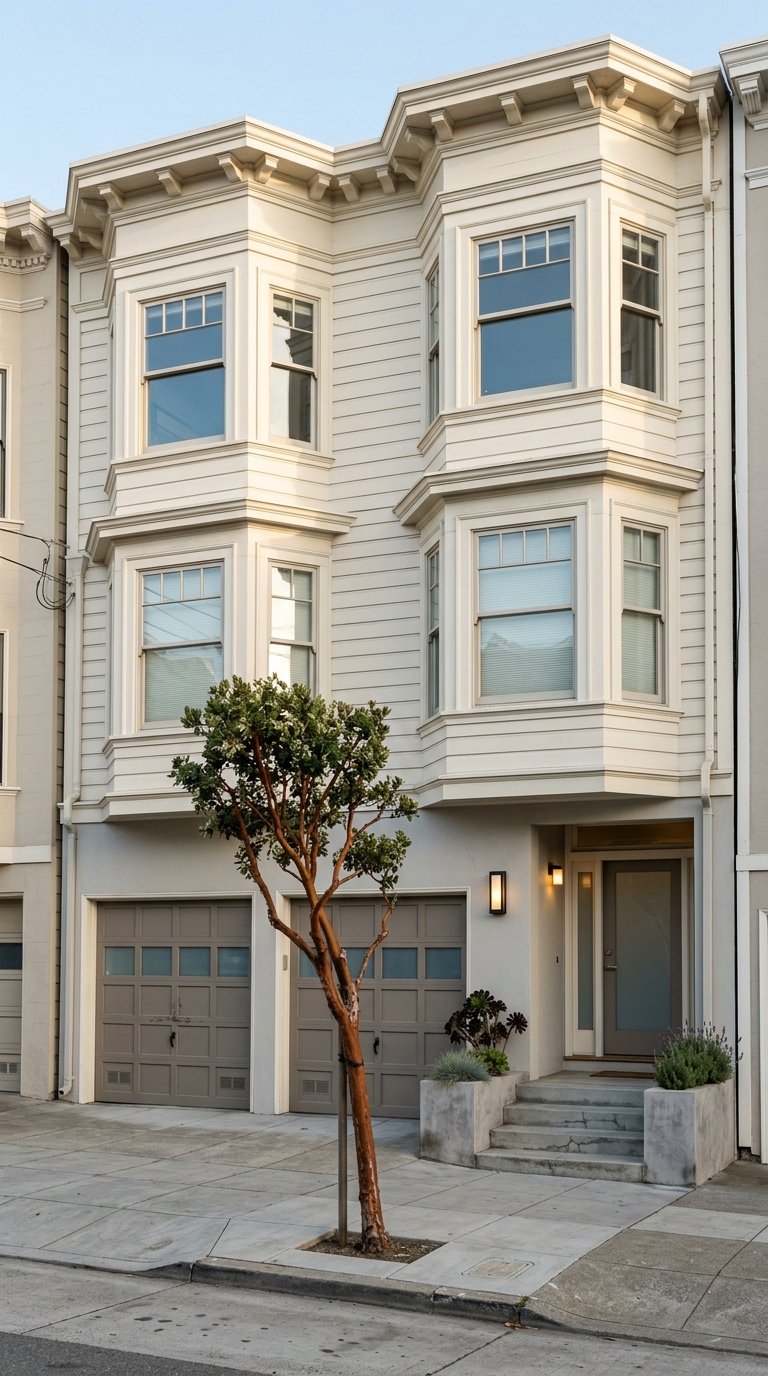
Looking for a San Francisco investment that offers both income potential and long-term upside? In Potrero Hill, multi-unit properties can check those boxes, but only if you evaluate each building with care. This is a market where zoning, tenant status, and building type can change from block to block, so smart underwriting matters. If you want to invest with more clarity and fewer surprises, this guide will walk you through what to watch. Let’s dive in.
Why Potrero Hill Stands Out
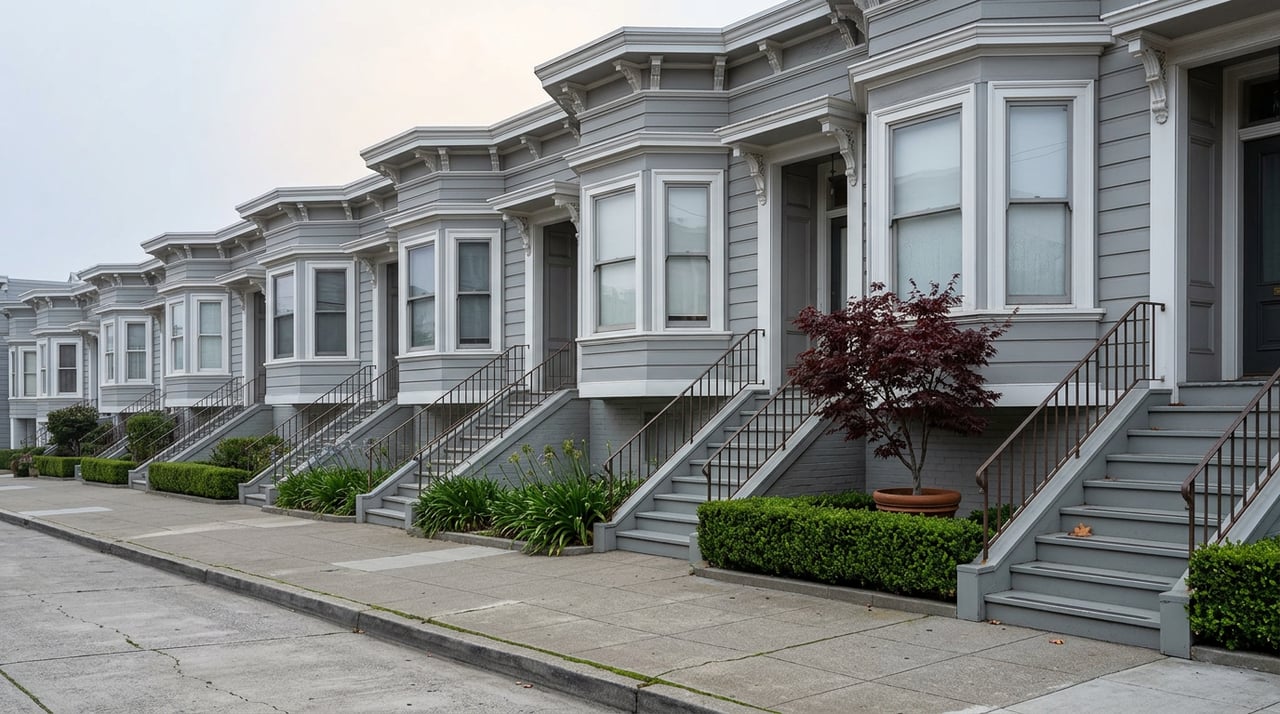
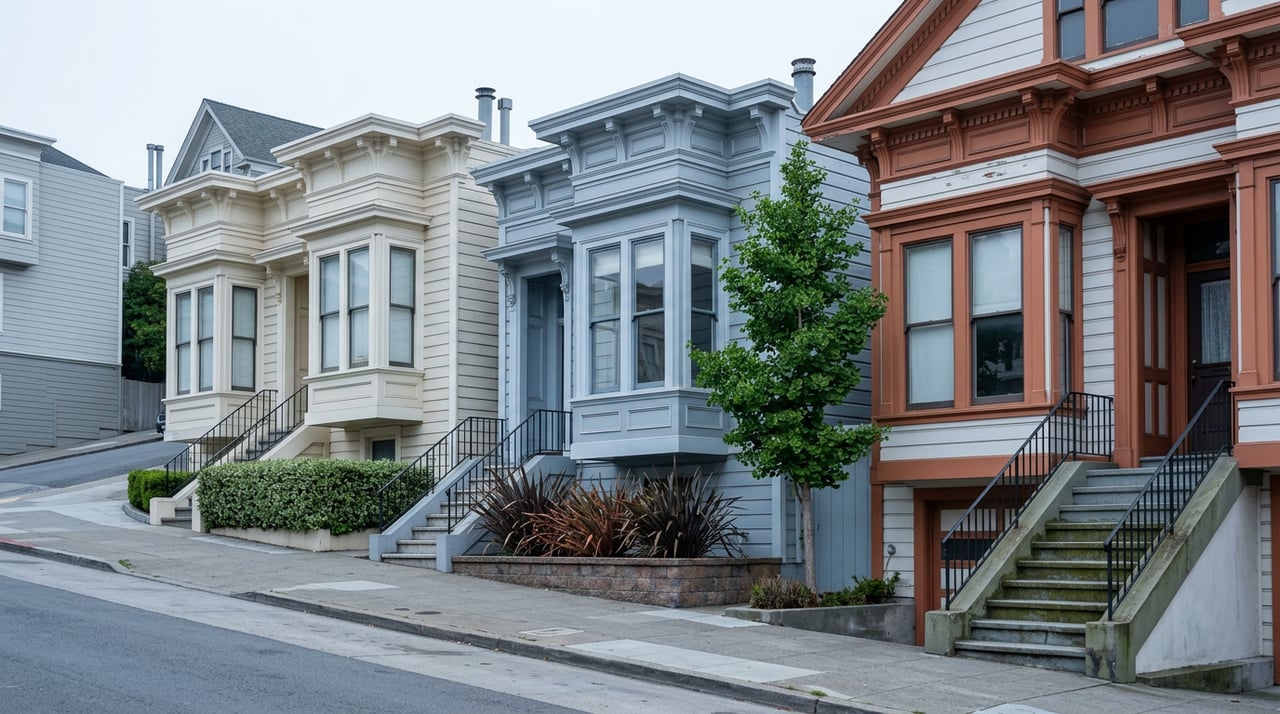
Potrero Hill is a mostly residential neighborhood with a mix of single-family homes, classic flats, and small multiple-family buildings. According to the San Francisco Planning land use record, parts of 18th and 20th Streets serve as neighborhood commercial corridors, while the western edge connects to larger employment uses like San Francisco General Hospital.
For you as an investor, that mix creates more than one path to value. You may find duplexes, triplexes, small apartment buildings, or select mixed-use properties, but the best use of a property depends on its exact parcel, allowed uses, and height limits.
Potrero Hill Property Types
Most of Potrero Hill is zoned RH-2, RH-3, RM-1, and RM-2, with some NC-2 commercial strips. Lower Potrero Hill around 16th and 17th Streets also includes M-1 and M-2 zoning, and much of the neighborhood is generally controlled at 40 feet, with some 50-foot areas near Seventh Street, based on the Planning Department record.
That matters because a classic flat building in a residential area should be evaluated differently than a mixed-use property near a commercial corridor or transition zone. The Showplace Square/Potrero Hill Area Plan also reinforces the area as a place for both living and working, while retaining appropriate production, distribution, and repair uses in select locations.
Common opportunities you may see
- Two-unit and three-unit buildings
- Small apartment houses
- Tenant-occupied classic flats
- Mixed-use buildings with residential and retail components
- Buildings near edge zones where zoning needs closer review
Zoning Should Drive Your First Pass
In Potrero Hill, neighborhood appeal alone is not enough to support an investment decision. Before you get deep into financial modeling, it is wise to confirm the parcel’s zoning, height limit, and allowed uses using SF Planning’s zoning tool.
A property that looks similar from the street can have a very different investment profile depending on whether it sits in a residential district, a neighborhood commercial corridor, or a mixed-use edge area. If your strategy involves repositioning, adding value, or separating residential and commercial income streams, zoning clarity is essential.
How To Underwrite Potrero Hill Deals
Broad Bay Area trends have improved for multifamily owners. CBRE’s Bay Area multifamily figures reported 4.3% rent growth in 2025, 4.2% vacancy, and more than $8 billion in 2025 sales volume.
Still, you should not underwrite Potrero Hill using only broad regional data. In CBRE’s Q1 2025 survey, San Francisco core multifamily going-in cap rates averaged 4.83%, while value-add going-in cap rates averaged 5.32%. Those figures are useful benchmarks, but actual pricing can vary based on building condition, tenant profile, location, and whether the asset includes nonresidential space.
Practical underwriting points
- Use a San Francisco-specific cap-rate framework
- Separate stabilized income from future upside assumptions
- Model vacancy and turnover conservatively
- Account for renovation and deferred maintenance costs
- Evaluate mixed-use income streams separately from apartment income
A tenant-occupied flat, a lightly renovated apartment building, and a mixed-use asset should not be priced with the same yield expectation. In a neighborhood like Potrero Hill, the spread between a smooth deal and a complicated one often comes down to the details.
Tenant Status Can Change Everything
If you are buying an occupied building in San Francisco, tenant status is one of the most important parts of due diligence. The San Francisco Rent Board says that most rental residential units in buildings constructed before June 13, 1979 are subject to the city’s rent ordinance, while buildings with a first certificate of occupancy after that date are generally exempt, with other exemptions also applying.
That means you need parcel-level verification rather than assumptions. A property’s current income may look attractive at first glance, but your long-term strategy can shift quickly if units are rent controlled, if leases are structured in a certain way, or if prior owner actions create added complexity.
What to verify before you close
- Each unit’s rent-control status
- Current leases and rental amounts
- Housing Inventory and compliance information
- Ownership and contact records in the Rent Board portal
- Any history of buyouts, notices, or eviction actions
If the investment thesis depends on turnover, vacancy, or future repositioning, these items deserve extra attention.
Buyouts And Eviction Rules Need Careful Review
San Francisco has specific rules around tenant buyouts and owner move-in actions. For example, the Rent Board’s pre-buyout disclosure form states that a tenant has the right not to enter buyout negotiations, may consult an attorney, and may rescind a fully executed buyout agreement within 45 days.
The city also tightly regulates owner move-in evictions. Under the Rent Board’s rules on owner move-in and other recoveries of possession, owners must meet specific requirements, including good-faith intent, move-in timing, and ongoing occupancy statements.
For you, the takeaway is straightforward: if your plan relies on changing occupancy, removing units from the rental market, or restructuring the tenancy profile, you need to review the legal framework early. This is not an area where informal assumptions are enough.
Development Projects May Support Long-Term Value
Potrero Hill also has meaningful long-term development activity that may influence future demand, access, and amenities. The Potrero Power Station project is planned to include about 2,601 homes, 30% below market rate, nearly 7 acres of open space, about 1.8 million gross square feet of commercial uses, and transportation and utility improvements including a new multi-modal street network and a new Muni bus route terminus.
The Potrero Yard Modernization Project, approved in March 2026, will replace the existing bus yard with a modern four-story facility and includes the opportunity for up to 100 affordable housing units, retail, and pedestrian and bike improvements. Construction is expected to run from 2026 to 2030.
These projects can strengthen the area over time, but they can also bring short-term construction impacts and future supply competition. A balanced investment analysis should account for both sides.
Potrero Hill For 1031 Investors
If you are completing a like-kind exchange, Potrero Hill may offer options that fit a San Francisco urban-income strategy. The key is to stay disciplined on timing and property qualification. The IRS guidance on like-kind exchanges notes that replacement property must generally be identified within 45 days and acquired within 180 days, or by the tax return due date if earlier.
In practice, that means your search process should start before deadlines become urgent. For exchange buyers, clean diligence on zoning, tenant status, and property condition is especially important because compressed timelines can make mistakes expensive.
A Smart Evaluation Checklist
Before you make an offer on a Potrero Hill multi-unit property, it helps to work through a clear framework.
Review these items closely
- Confirm zoning, height limits, and allowed uses.
- Verify whether the asset is purely residential or mixed-use.
- Check each unit’s rent-control status.
- Review leases, rental history, and compliance records.
- Underwrite using current San Francisco cap-rate benchmarks.
- Separate residential and commercial income where applicable.
- Stress-test for capital needs, turnover, and legal complexity.
- If using a 1031 exchange, align the property search with IRS timing rules.
In Potrero Hill, long-term value often depends on how well the building, zoning, tenant profile, and future strategy fit together. The strongest opportunities are usually the ones where those pieces already align, rather than deals that require too many assumptions to work.
If you are considering a Potrero Hill multi-unit purchase, working with an advisor who understands San Francisco zoning, tenant considerations, and complex investor transactions can make the process far more efficient. When you are ready for a discreet, data-driven conversation, connect with Mollie Poe + Declan Hickey.
FAQs
What types of multi-unit properties are common in Potrero Hill?
- Potrero Hill commonly includes classic flats, duplexes, triplexes, small apartment buildings, and some mixed-use properties, depending on the block and zoning.
Why is zoning so important for Potrero Hill investors?
- Zoning affects allowed uses, height limits, and redevelopment potential, and Potrero Hill can shift from residential to commercial or industrial transition zoning within a few blocks.
Are Potrero Hill rental units subject to San Francisco rent control?
- Many rental units in buildings constructed before June 13, 1979 may be covered by the rent ordinance, but you should verify each parcel and unit individually through the Rent Board.
What cap rates should investors expect in San Francisco multifamily?
- Recent CBRE benchmarks showed San Francisco core multifamily going-in cap rates around 4.83% and value-add going-in cap rates around 5.32%, with actual pricing varying by asset characteristics.
How do development projects affect Potrero Hill investment property value?
- Major projects like Potrero Power Station and Potrero Yard may support future demand, transit access, and amenities, but they can also create short-term construction disruption and future supply competition.
What should 1031 exchange buyers know about Potrero Hill properties?
- 1031 buyers should confirm the property qualifies as investment real estate and stay on schedule with the IRS 45-day identification and 180-day acquisition deadlines while completing careful diligence.