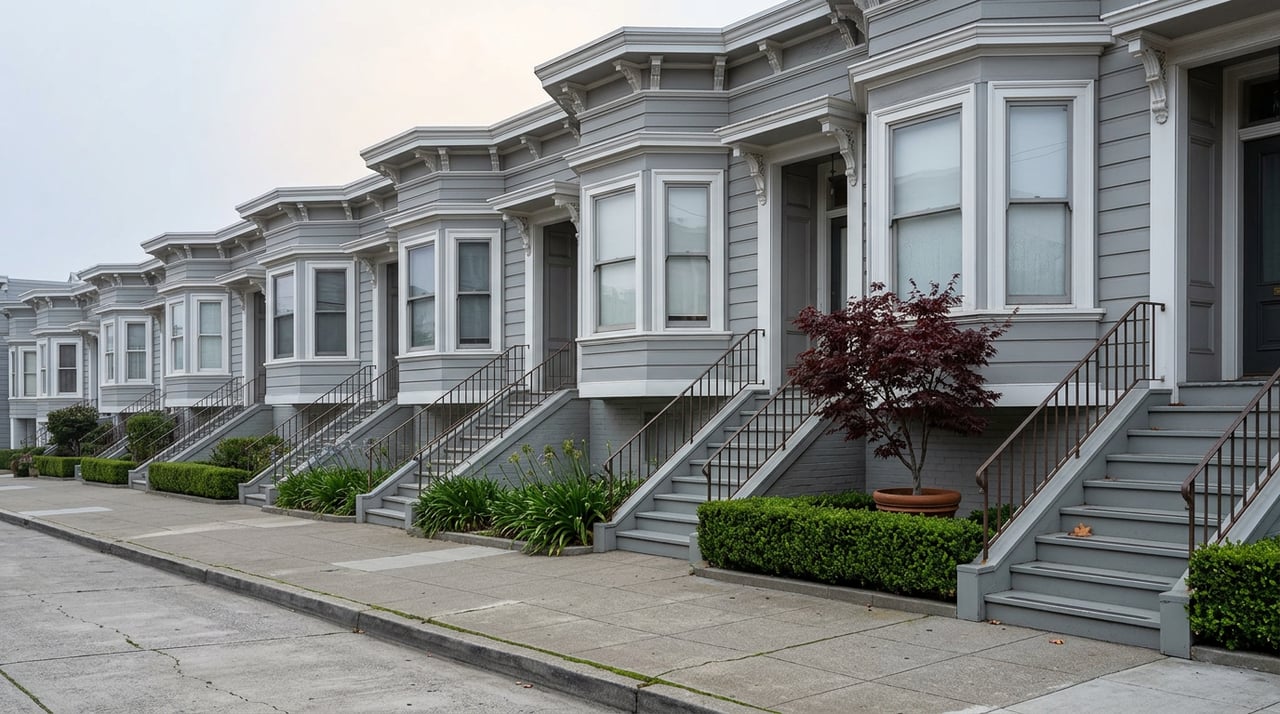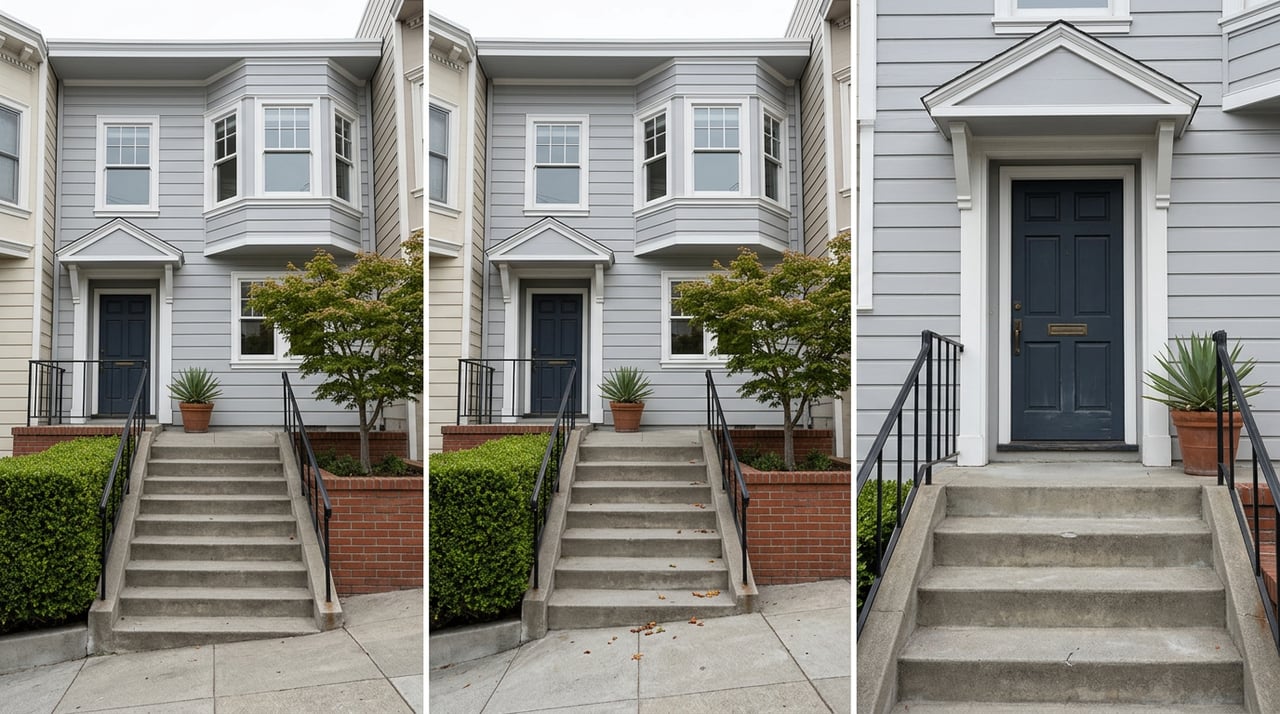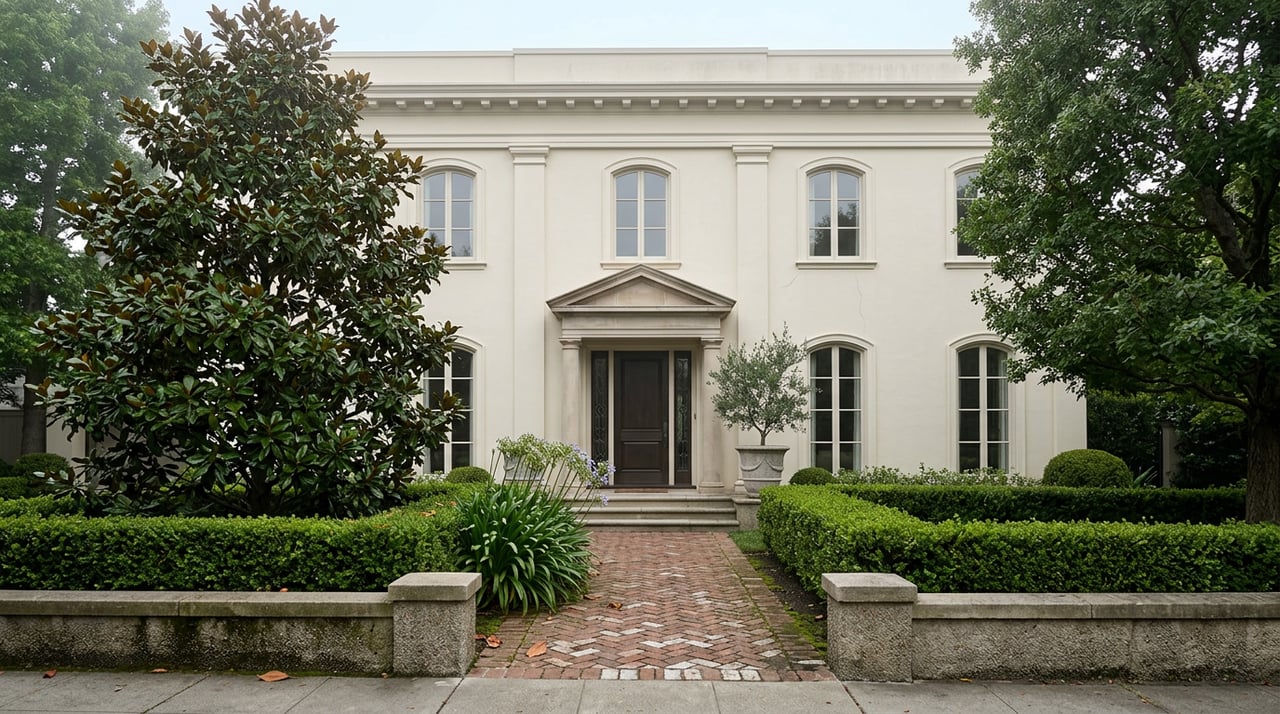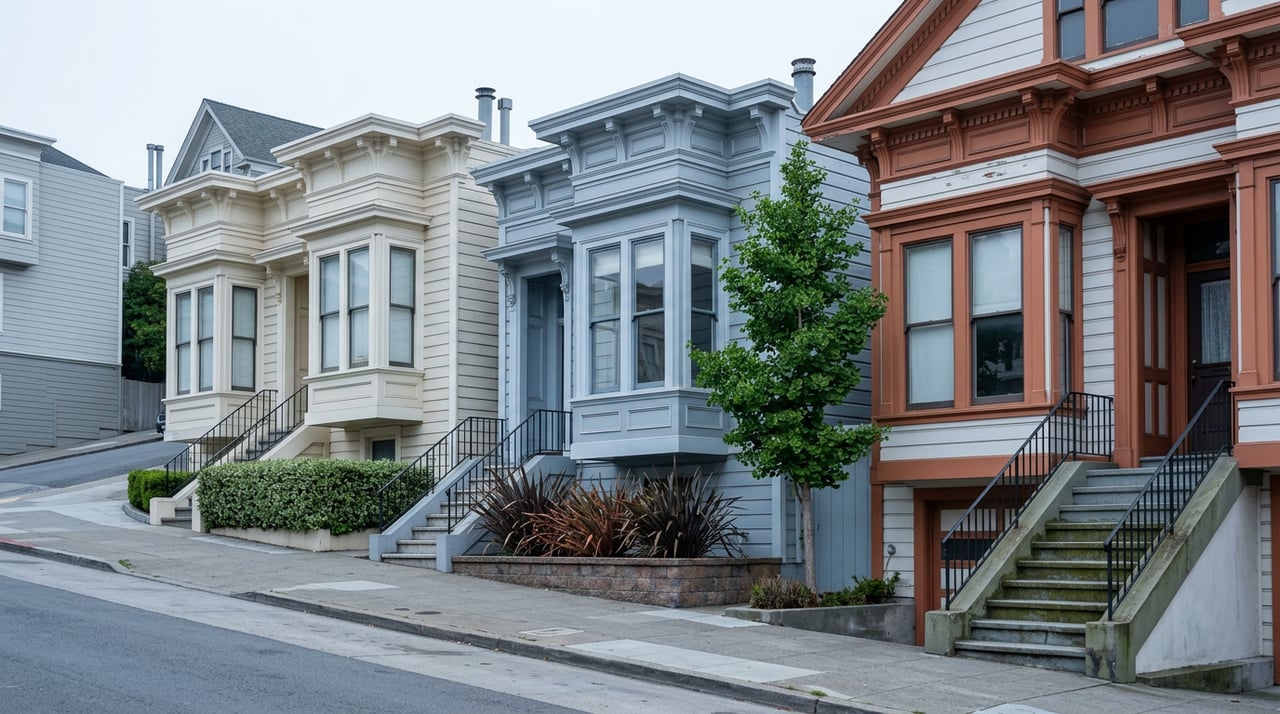
Walk up to the park on a Friday evening this August and you will notice what's missing before you notice what's new. No screen tower rigged onto the grass. No line of blankets staking out sightlines toward a projector. No crowd spilling past the tennis court toward Steiner. For eight years, a Friday night in Alamo Square Park sometimes meant an outdoor movie, courtesy of a partnership between the SF Parks Alliance and the Alamo Square Neighborhood Association that began when Sundown Cinema launched in 2018. This year the series came back in a fuller form after a scaled-back 2025 run, five films across five parks, Mission Dolores in June, the Presidio's Civil War Parade Ground in July, Marina Green on August 21, the Ferry Building next month, Crane Cove in October. Alamo Square isn't on that list. For the first time since the partnership started, the park sits out the whole season.
That absence is the real story of the neighborhood's August, and it lines up with something else that just wrapped a few blocks away: the park's playground, closed for resurfacing since late April, finished its safety-surface replacement in late July. So the same month the swings and slides came back online for daytime use, the evening draw that used to pull a crowd after dark disappeared. The park this year runs on mornings and afternoons. Nobody programmed that. It's just how the calendar landed.
Eight Years of a Friday Habit, Broken This Year
The Sundown Cinema partnership with the neighborhood association was never a guarantee written into any lease or ordinance. It was a standing arrangement, renewed year to year, that turned the park into one of the city's go-to spots for a free outdoor screening. When the series nearly folded in 2025 over funding problems, only a handful of screenings happened anywhere in the city. The 2026 comeback is bigger, five nights instead of two or three, backed by a new sponsor and hosted by a local newsroom. But bigger doesn't mean the same map. This year's rotation runs through Mission Dolores Park, the Presidio, Marina Green, the Ferry Building, and Crane Cove Park. Alamo Square, the park that helped launch the whole tradition, isn't hosting a single one of the five.
If you've lived here through past summers, you know what that costs on a Friday. The blanket traffic, the extra foot traffic on Divisadero and Fillmore before and after a screening, the sense that the hill was, for one night a week, the center of something citywide. This year that center moved. Whether that reads as a loss or a break depends on what you wanted from your Friday nights this summer. Either way, it's a genuine change, not a rumor. Check any of the season's official listings and Alamo Square simply isn't there.
The Playground's Quiet Comeback
While the park lost its evening draw, it gained back something more basic: full use of its own playground. The resurfacing project that started April 27 pulled out the old safety surfacing under both levels of the play structure, the upper section built for kids five to twelve and the lower one scaled for two- to five-year-olds. Work was expected to wrap by late July, and by the time August rolled around, the equipment was back in daily rotation. The restroom stayed open the entire time, so the closure never really touched anything beyond the play surfaces themselves.
It's a small project next to the park's last major overhaul, a multi-million-dollar renovation back in 2016 that replaced the whole irrigation system, added an ADA-accessible restroom, and re-landscaped the grounds top to bottom over the better part of a year. This spring's resurfacing was measured in weeks, not seasons, and it didn't touch the lawns, the tennis court, or the dog play area at all. But the timing still matters for anyone with a toddler or a five-year-old on a bike. The equipment is fresh, the surfacing is new, and it reopened right as the evening programming that used to compete for the park's attention packed up and went elsewhere for the summer.
What Still Runs on Its Own Schedule
Not everything about the park moves with the calendar. The dog play area on the western side keeps its usual rhythm, leashed walking on the eastern half facing the Painted Ladies, off-leash room to run on the slopes to the west, with a dog fountain that's been there long enough that regulars don't think twice about it. The tennis court still fills up on weekend mornings. And the neighborhood association keeps its own low-key calendar going independent of anything the city schedules: Park Greening Day volunteer sessions that meet at the tennis court for planting and weeding, the kind of work that doesn't make headlines but keeps the flowerbeds looking the way they do in every postcard shot of the block. The association also funds its own Clean Streets effort, which pays for extra sidewalk upkeep along the commercial edges of the neighborhood, running quietly in the background whether or not the city's own programming shows up that season.
That's worth knowing if you've started to think of the park purely in terms of what the city puts on the calendar. A good chunk of what keeps this place functioning, the dog fountain, the greening days, the sidewalk cleaning, has nothing to do with Sundown Cinema at all.
One New Reason to Cross Toward Fillmore
The other change this year sits just off the park's northeast corner. The space at 803 Fillmore, at Grove, sat empty for the better part of a year after its previous seafood restaurant closed. In May, it reopened as Polenta Trattoria Friuliana, a small dining room built entirely around the food of Friuli-Venezia Giulia, the northeastern Italian region that borders Slovenia and Austria. The restaurant is the first solo project for owner Giulio De Monte Gaspardo, a former sommelier at Bottega in Yountville and Bartholomew Winery in Sonoma, working with Friuli-born chef Michele Gargani. The menu leans into dishes most San Francisco diners haven't seen on a neighborhood menu before, frico, a warm potato cake layered with onions and Montasio cheese, goulash with clear Austro-Hungarian roots, and housemade pasta dressed in Friulian sausage ragu. It's open Tuesday through Saturday, five to nine, closed Sunday and Monday, which makes it a weeknight option rather than a weekend destination.
It isn't the only turnover on that edge this year. The neighborhood association flagged in February that Cookin', a longtime local spot, had quietly closed its doors. Storefronts on the Fillmore side of the park change hands the way they do everywhere in the city, slowly enough that you don't notice until you compare one season to the next. This year, that side of the ledger tilts toward addition rather than loss, one new kitchen with a genuinely different point of view replacing a name that had been part of the block for years.
A Park Running on Daylight
Add it up and the pattern is less about any single change and more about what's missing at night. No Friday movie crowd. A playground that spent its early summer behind construction fencing and came back just as that crowd would have started showing up anyway. A new restaurant a block over that closes at nine, not exactly built for a late-night draw. This is a park whose August is being carried by strollers, dog leashes, and tennis rackets in daylight hours, not by anything scheduled after sunset. That's not a complaint. It's just an accurate read of how the six blocks around the hill are actually being used this month, which is a different thing from how they were used last August, or the August before that.
If you're weighing what a home near this park is worth to you day to day, not just as a line on a listing, that kind of on-the-ground detail tends to matter more than square footage. Mollie Poe works this stretch of the city closely enough to track it season to season, and the team is glad to talk through what a specific block or building means for how you'd actually live in it. Reach out anytime to request a confidential consultation.